

Rare Disease Day 2026
Build equitable routes to answers, coordinated care, research, support, and full participation.
Rare disease exposes whether the organization can coordinate what no single department owns.
Visibility matters only when it opens a reliable route through uncertainty, access barriers, fragmented expertise, and lifelong needs.
Rare diseases are individually uncommon but collectively consequential. They include thousands of conditions with different causes, manifestations, ages of onset, treatments, and support needs. A health system cannot build a separate fully staffed pathway for every diagnosis. It can build reusable capabilities that make rare and undiagnosed journeys safer: preserving a longitudinal story, recognizing patterns across encounters, connecting distributed expertise, explaining uncertainty, closing referrals, naming care-plan ownership, and responding to the person’s goals beyond the clinic.
This distinction changes the executive question. Leaders do not need to ask whether their organization can become a center of excellence for every rare disease. They need to ask whether ordinary access, diagnostic, referral, handoff, data, and communication processes work when the condition is unfamiliar. If the system depends on one clinician remembering an unusual diagnosis, one family repeatedly retelling years of history, or one informal relationship with a distant specialist, reliability is accidental.
Recent evidence illustrates the operational burden. A 2025 regional registry analysis from Campania included 7,909 people with rare diseases. The investigators reported a mean diagnostic delay of 3.4 years, and 46% of participants experienced a delay longer than one year. Delay varied with age, sex, place of residence, and disease group, which means that the problem was not simply a lack of medical knowledge. Geography and the route through the system also mattered [7]. A community-based study in Pennsylvania found that 57.8% of 1,214 respondents reported diagnostic delays of at least one year. Delay was associated with misdiagnoses, added spending, out-of-state travel, and lost work or school time [8].
Those studies use different populations, definitions, and settings, so their percentages should not be combined into a single prevalence estimate. They still point to the same leadership risk. Delay accumulates through many small failures: a pattern is not documented, a referral waits, a prior result cannot be found, an insurance barrier is not escalated, a receiving team lacks context, or no one communicates what an inconclusive test means. The family becomes the integration layer for a system that is not integrated.
The human cost continues after diagnosis. Spanish registry research found greater psychological, social, and functional impact among people who experienced diagnostic delay. During the search for answers, 36.2% of those with delay reported needing psychological care compared with 23.2% among those diagnosed within one year [16]. A 2026 narrative review and thematic synthesis further examined the intersection between mental health and the diagnostic odyssey, reinforcing the need to treat uncertainty and psychological support as linked responsibilities rather than separate services [1].
Rare Disease Day should therefore trigger an enterprise review, not a one-day communication exercise. Marketing can raise awareness, but operations must be ready for the questions awareness creates. Where should a patient or clinician bring a persistent unexplained pattern? Who can determine the appropriate next level of evaluation? How is a multi-year history summarized? What happens when testing is negative or yields a variant of uncertain significance? Who coordinates care after diagnosis? How are disability, school, work, caregiver, mental health, financial, and research needs addressed without making the person navigate each domain alone?
Select one rare or undiagnosed journey with high friction. Trace it from first documented concern to communicated disposition and a named next-step owner. Review waits, repeats, lost handoffs, unresolved barriers, and the work shifted to patients and caregivers.
Design for diagnostic uncertainty without allowing uncertainty to become abandonment.
A diagnostic route must preserve what is known, what remains uncertain, what was ruled out, and who owns the next decision.
Diagnosis is not one test. It is a sequence of recognition, history, examination, targeted investigation, interpretation, consultation, communication, and reconsideration. People with rare conditions may enter through primary care, an emergency department, pediatrics, neurology, rheumatology, cardiology, nephrology, genetics, behavioral health, rehabilitation, or another service. Each encounter may reveal only one part of a multisystem pattern. When records are fragmented, the next clinician sees isolated episodes rather than a trajectory.
Spanish registry data on 1,216 people identified several determinants associated with delay longer than one year. Traveling outside the home province to see another specialist was associated with higher odds of delay, as were seeing more than ten specialists and receiving a diagnosis in another region. Waiting more than six months for the first referral to a specialist contributed substantially to the observed delay [17]. A larger analysis of 3,304 registry participants reported that 56.4% experienced diagnostic delay, with a mean of 6.18 years and a median of two years. Women and adults whose symptoms began between ages 30 and 44 had higher odds of delay, and variation by disease group was substantial [18].
These findings are not a universal prediction for an individual patient. They arise from specific registries and healthcare systems. Their value for executives is operational. They show why a health system should measure referral latency, repeated specialty visits, geographic travel, duplicated testing, and unresolved diagnostic status. Those measures reveal whether the route is advancing or merely generating activity.
A practical rare-disease intake does not require every front-line clinician to know every condition. It requires a way to recognize when the pattern is unusual, persistent, multisystem, familial, progressive, or inconsistent with the working diagnosis. The next step may be a specialty referral, genetics evaluation, a multidisciplinary review, targeted testing, or a more complete longitudinal summary. The safe route also explains that a negative test does not necessarily end evaluation and that not every finding establishes causation.
Genomic tools can help, but technology does not eliminate the need for interpretation and follow-through. A 2026 study of 55 rare-disease families with negative exome or genome results evaluated an enhanced RNA-sequencing workflow. The approach improved diagnostic yield from 9% to 20% in that selected preconception setting [6]. The result is promising but should not be generalized to every undiagnosed population. It demonstrates why systems need a mechanism to reconsider unresolved cases as methods evolve, while maintaining consent, counseling, privacy, and clarity about uncertainty.
Condition-specific evidence also shows the cost of missed patterns. In a case series of 14 people ultimately diagnosed with hypophosphatasia, the median delay was 13 years. Persistently low alkaline phosphatase and features such as pain, fractures, dental history, and arthritis were important clues in that rheumatology setting [13]. A small case series cannot define a population screening rule. It can remind leaders that abnormal results and recurrent patterns need a dependable route for review rather than reliance on individual memory.
Diagnostic delay in the Spanish Rare Diseases Patient Registry
Among 3,304 registry participants, 56.4% experienced more than one year between symptom onset and diagnosis.

A future-state route from concern to an owned plan
Small populations can hide large barriers unless leaders measure the journey directly.
Equity requires privacy-safe measurement, accessible communication, and partnership with people whose routes the standard system misses.
Rare disease inequity is not limited to whether a treatment exists. It appears in who receives a referral, who can travel, who can miss work, who can use telehealth, whose symptoms are believed, who has access to genetic counseling, who can obtain medication, and whose language or disability needs are addressed. It also appears in research participation when protocols, travel, trust, cost, or communication exclude the communities a study is intended to serve.
The Pennsylvania needs assessment gives leaders a concrete view of burden within one state. Among 1,214 respondents, 48.5% reported spending more than $5,000 annually on rare-disease care, and 24.9% reported that financial reasons prevented access to medication. Diagnostic delay was associated with out-of-state travel and reduced work or school hours [8]. These figures should not be presented as national prevalence estimates. They demonstrate how care burden crosses clinical, financial, geographic, educational, and employment domains.
A mixed-methods study of 17 rare-disease community stakeholders in the United Kingdom found unanimous agreement that anxiety, fear, safety concerns, and lack of trust hindered research participation. Respondents also identified inadequate funding, language, misconceptions, and fear as barriers [9]. The sample was small and recruited through advocacy networks, so the findings are not a ranked census of barriers. They support a practical rule: do not label people hard to reach when the research or care design is hard to enter.
Qualitative research from Aotearoa New Zealand examined how people navigate rare-disorder healthcare and emphasized experiences of fragmented knowledge, caregiver work, and the importance of relationships and continuity [4]. Qualitative evidence should not be converted into prevalence claims. It reveals mechanisms and lived consequences that administrative data may miss. Health systems need both forms of evidence.
Equity review should begin at the front door. Are referral instructions understandable? Can a person submit a longitudinal summary without recreating it at every visit? Are interpreters and accessible communication available for genetics, consent, and complex treatment discussions? Does scheduling recognize travel distance and fatigue? Can telehealth replace an appropriate portion of a visit without pretending that every examination can occur virtually? Are financial navigation and prior-authorization escalation connected to the clinical team, or left as separate burdens?
Privacy requires particular care because rare-disease populations can be identifiable even when names are removed. Small cells should be suppressed or combined when publication could reveal a person. Leaders should distinguish private case review from public dashboards. Patients and caregivers should help define what experience measures matter, how stories are used, and whether participation is compensated. No one should have to disclose a diagnosis publicly to influence service design.
Evidence cards summarize three separately defined findings from the same Pennsylvania community-based survey [8]. Denominators may vary by completed survey item. The categories are not additive and are not a national estimate.
Evidence-supported contributors to a delayed or fragmented route
Connect expertise around the person instead of handing the person a list of experts.
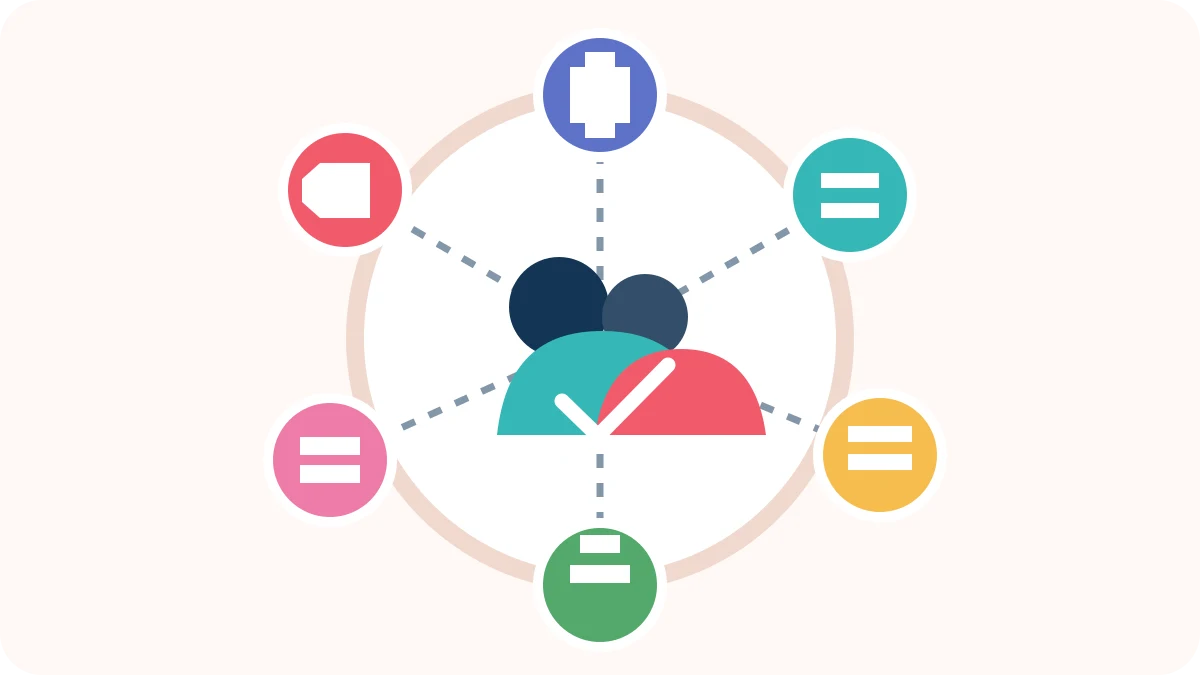
Coordination needs a clinical home, an operations owner, clear escalation, and a way to reach expertise beyond organizational boundaries.
Rare-disease care often spans multiple specialties, laboratories, pharmacies, rehabilitation services, research programs, schools, employers, payers, and community organizations. A directory is useful, but a directory is not coordination. Coordination means that relevant information moves, decisions are reconciled, conflicts are surfaced, and one accountable team helps the person understand what happens next.
European network research offers a useful implementation lesson. A 2025 report on continuous quality improvement in a rare-disease network described how shared standards, data, professional collaboration, and iterative learning can support quality across distributed centers [11]. A mixed-methods study of a collective-intelligence network in Cyprus found that patients, families, clinicians, and laboratory professionals valued channels for specialized information, referral support, and psychosocial connection. Uptake was shaped by social norms, organizational practice, technology, and policy, not by the platform alone [15].
That distinction matters for digital health. A Dutch perspective on rare-disease smartphone apps emphasized that successful implementation depends on fit with user needs, clinical workflows, governance, and sustained responsibility [12]. Technology can provide symptom tracking, education, communication, or self-management support. It can also create another disconnected portal if leaders do not define who monitors information, how urgent concerns escalate, what data enter the clinical record, and how people without suitable devices or connectivity receive an equivalent route.
Telehealth can reduce travel and widen access to expertise, but it cannot replace every examination. In an Undiagnosed Diseases Network study, 26 individuals received a synchronous virtual examination followed by an in-person examination with the same clinician. Agreement was strong for general appearance, craniofacial features, and some neurological components, while other findings were less reliable or could not be assessed virtually. Features relevant to diagnosis or management were missed in two participants during the virtual examination [10]. The small, selected sample supports a hybrid design, not a virtual-only rule.
A French rare-disease referral center similarly reported continued roles for telemedicine beyond the acute pandemic period in expertise and research activities [14]. Executives should use telehealth to reduce avoidable travel, enable pre-visit review, connect local and distant clinicians, and maintain continuity. They should also define when an in-person assessment is essential, how records and images are exchanged, who documents recommendations, and how local teams implement a distant specialist’s plan.
The accountable hub does not need to perform every service. It needs to make interfaces explicit. A primary or specialty clinical home can maintain the problem list, longitudinal summary, urgent plan, and medication reconciliation. Operations can monitor referral completion and capacity. Navigation can address travel, financial, language, disability, scheduling, and digital barriers. Data teams can maintain privacy-safe route measures. Research teams can provide accurate information about registries and trials without implying eligibility or benefit. Patient and caregiver partners can identify failure points that internal process maps miss.
Interfaces around the accountable patient and caregiver hub
Coordinate the life affected by care, not only the appointments created by care.
Education, employment, family roles, mental health, disability access, and caregiver capacity belong in the operating picture.
A rare diagnosis can clarify years of uncertainty, but it can also introduce new questions about prognosis, treatment, family implications, identity, finances, and the future. For people who remain undiagnosed, uncertainty may continue without a clear endpoint. Leaders should not assume that diagnostic closure automatically resolves psychological and social consequences.
The 2026 thematic synthesis on mental health and the diagnostic odyssey examined how uncertainty, invalidation, repeated testing, and fragmented care intersect with psychological distress [1]. The Spanish psychosocial study found stronger psychological, social, and functional effects among people with diagnostic delay [16]. These sources do not show that every person needs the same intervention. They support routine, respectful opportunities to identify mental health needs, caregiver strain, social isolation, and functional disruption, followed by a real referral route.
Transition from pediatric to adult care is a particularly vulnerable handoff. A 2026 qualitative study involving 11 adolescents or young adults with rare renal disorders and 17 parents identified themes related to the changing nature of illness, preparation, person-centered understanding, support networks, coordination, consistency, and communication. Participants emphasized education, peer connection, psychological support, and the interaction between health and social systems [3]. The condition-specific and qualitative design limits broad generalization, but the handoff principles are transferable.
Transition should begin before a final pediatric visit. The plan should identify the receiving clinical home, responsible specialists, medication and surveillance requirements, an urgent-care plan, consent and decision-making changes, benefits and insurance issues, accommodations, and the young adult’s own goals. Completion means more than sending a referral. It means the receiving team has accepted responsibility, the young person knows how to reach it, and unresolved barriers are visible.
Caregiver capacity also requires explicit attention. Families may manage records, transportation, medication, school communication, home care, benefits, and clinical research searches while maintaining employment and other responsibilities. A system that calls this resilience without measuring the work can normalize preventable burden. Leaders can include caregiver-reported barriers, missed work or school, travel days, and unresolved coordination tasks in case review, while respecting privacy and individual preferences.
Participation is the outcome that connects clinical work with daily life. A person may define success as attending school, maintaining employment, parenting, communicating, moving safely, sleeping, reducing symptom disruption, or taking part in community life. Clinical measures remain important, but a coordinated plan should document which functional and participation goals matter now, who can help, and when the plan will be reviewed.
Make research information accurate, inclusive, and separate from promises.
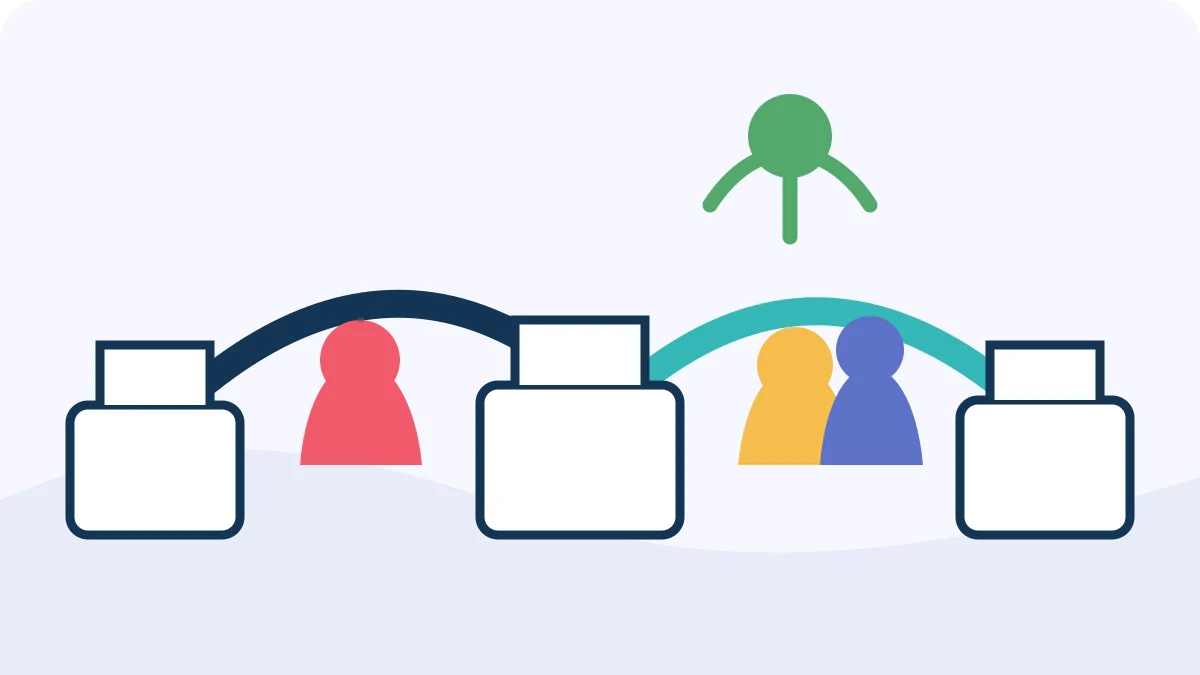
Innovation can expand possibility, but governance must protect consent, representativeness, access, interpretation, and follow-through.
Rare-disease research faces a basic challenge: small and geographically dispersed populations make traditional recruitment, comparison groups, dosing, and long follow-up difficult. Those constraints increase the value of collaboration, registries, natural-history studies, adaptive designs, modeling, patient-reported outcomes, and cross-institutional data. They also increase privacy risk and the chance that research excludes people who cannot travel, speak the study language, use digital tools, or absorb uncompensated costs.
A 2026 survey of orphan drugs approved between 2013 and 2022 examined pediatric dose selection. Among 63 evaluable products, initial pediatric dosing drew on varied evidence, including adult data, healthy-volunteer data, nonclinical information, data from other indications, and pediatric data from other indications. Modeling and simulation were explicitly noted for 21% of products, while almost half used multiple data sources [5]. This analysis does not evaluate the effectiveness of a specific therapy. It shows why rare-disease development often requires flexible evidence strategies and transparent uncertainty.
The RNA-sequencing study described earlier provides another example of innovation after negative genomic testing [6]. Leaders considering advanced diagnostics should evaluate more than technical capability. They need referral criteria, pretest counseling, informed consent, data stewardship, interpretation capacity, policies for uncertain and secondary findings, confirmatory testing, and a plan for reanalysis. A result that cannot be explained or acted upon may add uncertainty rather than reduce it.
Research participation must be offered without becoming a substitute for care. Patients need clear information about purpose, procedures, burdens, potential benefits, alternatives, costs, compensation, privacy, return of results, and withdrawal. A registry is not a clinical trial, a trial is not guaranteed treatment, and eligibility is not a promise of benefit. Clinical teams should know where to direct questions, but they should not oversell access.
Stakeholder mapping from India in 2026 emphasized the relationships among government, clinicians, patient organizations, researchers, industry, and other actors in rare-disease policy and implementation [2]. The national context is specific, but the systems lesson is broad. Innovation depends on aligned roles, not isolated initiatives. Executives should clarify which research capabilities the organization provides directly, which require referral, how patient organizations are engaged, and who owns communication after a referral to research.
Inclusion should be built into budgets and protocols. The United Kingdom stakeholder study found concern about insufficient resources for meaningful involvement and highlighted trust, language, safety, and fear [9]. Practical responses include compensated advisory roles, accessible materials, interpreter support, hybrid participation, travel assistance, disability accommodation, community review of recruitment language, and transparent reporting of who was not represented.
Measure route completion, burden, experience, and equity without exposing small populations.
Counts of referrals and campaign impressions are not enough. Leaders need to see whether people reached an answer, an owner, and usable support.
Rare-disease dashboards require different discipline from high-volume service-line reports. Averages can be unstable, small cells can identify people, and one complex case can materially change a monthly measure. That does not justify measurement avoidance. It calls for governed definitions, appropriate aggregation, suppression rules, narrative case review, and longer reporting windows where needed.
Start with route reliability. Measure the interval from first documented concern to an appropriate referral, from referral to accepted appointment, from evaluation to communicated disposition, and from disposition to a named plan. Track whether a longitudinal summary was available, whether prior studies were accessible, whether the patient understood the next step, and whether an unresolved barrier had an owner and due date.
Measure burden alongside throughput. Travel distance, days away from work or school, repeated testing, out-of-pocket concerns, denied medications, interpreter needs, inaccessible digital tools, and caregiver workload can determine whether a plan is usable. The Pennsylvania findings demonstrate why financial and participation burden belong in the executive view [8]. The measures should be collected with consent and used to remove barriers, not to judge patients.
Experience measures should ask whether the person felt believed, received understandable explanations, knew who coordinated the plan, could reach the team, and participated in decisions. These questions are especially important when the diagnosis remains uncertain. The goal is not a high satisfaction score detached from process. The goal is to connect experience with specific handoffs and redesign work.
Measures that distinguish activity from completed outcomes
| Measure | Definition and denominator | Owner | Cadence | Interpretive limit |
|---|---|---|---|---|
| Referral completion | Accepted specialty or diagnostic appointments divided by eligible referrals | Access operations | Monthly | Does not show diagnostic appropriateness by itself |
| Communicated disposition | Completed evaluations with documented explanation and next step divided by completed evaluations | Clinical service | Monthly | Documentation does not prove understanding |
| Named plan ownership | Active complex cases with a named coordinating team and contact route divided by reviewed cases | CMO or designated clinical owner | Quarterly | Requires a locally defined eligible population |
| Barrier resolution | Travel, cost, language, disability, scheduling, or digital barriers resolved within standard divided by identified barriers | Navigation and operations | Monthly | Multiple barriers may apply to one person |
| Transition completion | Young adults accepted by the adult clinical home with first visit completed divided by transition-eligible patients | Pediatric and adult co-owners | Quarterly | Condition-specific readiness must be considered |
| Experience and trust | Eligible respondents reporting clear explanation, belief, participation, and a reachable owner | Experience leader with patient partners | Semiannual | Response bias and small samples require narrative context |
Redesign one bounded journey, prove the handoffs, then extend the capability.
A single pilot cannot represent every rare disease. It can test reusable capabilities without making unsupported promises.
Begin with a journey the organization can observe and influence. It might be adults with persistent unexplained multisystem symptoms, children referred for genetics, patients transitioning from pediatric to adult rare-disease care, or people who must travel for a specific specialty. Define inclusion clearly. Do not choose a group merely because it will produce an attractive success story.
Patient and caregiver partners should be co-designers, not a final review panel. Compensate their time, define confidentiality, provide accessible participation, and make the scope honest. Ask where the system required them to repeat information, chase appointments, interpret conflicting advice, absorb avoidable cost, or manage uncertainty without a reachable owner.
During the first 30 days, trace current work. Review a privacy-safe sample of journeys from concern through referral, evaluation, communication, and follow-up. Map decision points and handoffs. Document who owns each step, which systems carry information, where queues form, and which barriers lack escalation. Establish baseline measures without implying that small samples are stable rates.
During days 31 through 60, build and test the connected route. Create a concise longitudinal summary that patients can review. Define referral and escalation criteria. Standardize the communicated disposition so it states findings, uncertainty, limitations, urgent guidance, next action, owner, and date. Assign navigation for travel, affordability, language, disability, scheduling, and digital needs. Test with real cases under clinical oversight.
During days 61 through 90, verify completion and extend responsibly. Compare route intervals, lost handoffs, barrier resolution, and experience with the baseline. Conduct case review for failures and near misses. Report what changed and what remains uncertain. Decide which capability can scale across other rare or complex journeys, such as longitudinal summaries, referral closure, hybrid consultation, transition confirmation, or privacy-safe scorecards.
The board does not need a campaign activity total. It needs a concise answer to five questions: Which journey was selected? What failed before redesign? What changed in the operating route? What evidence shows that responsibility and access improved? What risk remains? This framing keeps Rare Disease Day connected to governance rather than publicity.
Dependencies and ownership across the first 90 days
Rare is not invisible when the system is designed to listen.
Rare Disease Day 2026 gives healthcare executives a clear standard. Preserve the longitudinal story. Make uncertainty explicit. Connect distributed expertise. Close referrals. Name care-plan ownership. Remove access barriers. Protect privacy. Include patients and caregivers in redesign. Measure whether people reached an answer, a plan, and fuller participation.
Executive action: Sponsor one 90-day rare or undiagnosed care redesign with a patient or caregiver partner, a clinical owner, and an operations owner as co-leads.Related and authoritative resources
- Rare Disease Day 2026 global campaign
- What is Rare Disease Day?
- Rare Disease Day 2026 in the United States
- Genetic and Rare Diseases Information Center
- CLOVES Syndrome Awareness Day 2026: Make Access and Follow-Through Visible
- Personalized Medicine: How C-suite Executives Can Lead the Genomic Revolution
- The Healthcare Workforce Crisis: Executive Solutions That Actually Work
Safety note: Rare diseases have many different signs, courses, and care needs. This article cannot diagnose a condition or replace individualized medical advice. Seek emergency help for severe breathing difficulty, loss of consciousness, a seizure, stroke signs, or another life-threatening change. People with an established emergency or crisis plan should follow that plan and contact the designated clinical team.
References
- Wu, E., Isobel, S., & Beckett, P. (2026). Exploring the intersection of rare diseases and mental health within the diagnostic odyssey: A narrative review and thematic synthesis. Nursing Open, 13(4), 1–13. https://doi.org/10.1002/nop2.70488
- Chakraborty Choudhury, M., George, J. P., & Srinivas, P. N. (2026). Mapping the rare disease stakeholders in India. PLoS Global Public Health, 6(3), 1–21. https://doi.org/10.1371/journal.pgph.0003516
- Kinch, M., Kroll, T., & Somanadhan, S. (2026). The river meeting the sea: A qualitative exploration of the healthcare transition experiences of adolescents and young adults living with rare renal disorders and their parents. PLoS One, 21(6), e0348445. https://doi.org/10.1371/journal.pone.0348445
- Bennett, L., & Officer, T. N. (2026). Navigating rare disorder healthcare in Aotearoa New Zealand: An interpretative phenomenological analysis. Frontiers in Health Services, 1–11. https://doi.org/10.3389/frhs.2026.1822565
- Fletcher, E. P., Kim, C., Mei, H., AbuAsal, B., Samuels, S., Madabushi, R., & Ramamoorthy, A. (2026). Informing dose for pediatric rare diseases: A survey of recent orphan drug approvals. Clinical and Translational Science, 19(2), e70503. https://doi.org/10.1111/cts.70503
- Ren, J., Dai, C., Meng, F., Zhang, P., Xie, C., Xiao, W., He, W., Yuan, S., Li, X., Zhang, Q., Tang, W., Hu, L., Chen, Z., Lu, G., Du, J., Zeng, S., & Lin, G. (2026). RNA-Seq of cultured peripheral blood lymphocytes improves identification of cryptic splicing defects in rare disease diagnostics. Human Mutation, 2026, 9635551. https://doi.org/10.1155/humu/9635551
- Cirillo, C., Duraccio, R., Fordellone, M., Monda, E., Rosa, B. D., Stasio, C. D., Smimmo, A. F., Fusco, A., Rega, S., Caiazza, M., Marzullo, F., Scarpa, R., Scarano, G., Postiglione, A., Buono, P., Trama, U., Gennaro, M. D., Borriello, G., Galdo, M., & Morgillo, B. (2025). Diagnostic delay in rare diseases in the Campania region: Addressing ageing, gender disparities, and the “postcode lottery effect” to reduce the patient odyssey. European Journal of Public Health, 35(5), 862–866. https://doi.org/10.1093/eurpub/ckaf088
- Sussman, J. H., Dagli, M. M., Wald, S. L., Akhtar, S. S., Natan, K., Xu, J. A., Li, A., Dawson, B., & Welch, W. C. (2025). The experiences of patients with rare diseases in Pennsylvania: A community-based study. Public Health Reports, 140(5/6), 605–616. https://doi.org/10.1177/00333549251362711
- Mitchell, A. E. P., & Butterworth, S. (2025). Enhancing equality, equity, diversity and inclusion in rare disease research in the United Kingdom. Nursing Reports, 15(10), 361. https://doi.org/10.3390/nursrep15100361
- Tan, Q. K.-G., McConkie-Rosell, A., Brown, R. M., Spillmann, R. C., Schoch, K., Chanprasert, S., Acosta, M. T., Toro, C., Rosenfeld, J. A., Orengo, J. P., Scott, D. A., Granadillo, J. L., Sisco, K., Wegner, D. J., Tekin, M., Bivona, S., Peart, L., Rodan, L., Bonner, D., … Shashi, V. (2025). Telehealth is effective in the evaluation of individuals with undiagnosed rare disorders: An Undiagnosed Diseases Network study. American Journal of Medical Genetics Part A, 197(4), e63956. https://doi.org/10.1002/ajmg.a.63956
- Spivack, O. K. C., Irvine, W. F. E., Husby, S., Wester, T., Wijnen, R. M. H., Pakarinen, M., Lemli, A., Tytgat, S., Gottrand, F., Fruithof, J., Mutanen, A., Tabbers, M., Bremholm Ellebæk, M., Deprest, J., Storme, L., de Coppi, P., Power, B., Benachi, A., Mesas Burgos, C., & Studen Pauletić, P. (2025). Fostering continuous quality improvement in a European rare disease network. Frontiers in Health Services, 1–9. https://doi.org/10.3389/frhs.2025.1609018
- Willemse, I. H. J., Mol, M., van Diggelen, R. J. A., van den Haak, P., & van de Warrenburg, B. P. C. (2025). Smartphone apps in rare disease care: A Dutch perspective on effective implementation. Frontiers in Digital Health, 1–7. https://doi.org/10.3389/fdgth.2025.1664110
- Rauf, M. A., Kotecha, J., & Moss, K. (2023). Reducing diagnostic delay in hypophosphatasia: A case series of 14 patients presenting to general rheumatology. Osteoporosis International, 34(9), 1647–1652. https://doi.org/10.1007/s00198-023-06749-z
- Ducrocq, Q., Guédon-Moreau, L., Launay, D., Terriou, L., Morell-Dubois, S., Maillard, H., Lefèvre, G., Sobanski, V., Lambert, M., Yelnik, C., Farhat, M.-M., Garcia Fernandez, M. J., Hachulla, E., & Sanges, S. (2023). Activities of clinical expertise and research in a rare disease referral centre: A place for telemedicine beyond the COVID-19 pandemic? Healthcare, 11(17), 2447. https://doi.org/10.3390/healthcare11172447
- Antoniadou, V., & Hadjipanayis, A. (2023). Co-constructing effective collective intelligence networks in rare diseases: A mixed method approach to identify the parameters that matter for patients, professionals and policy-makers, piloted in Cyprus. Orphanet Journal of Rare Diseases, 18(1), 97. https://doi.org/10.1186/s13023-023-02672-y
- Benito-Lozano, J., Arias-Merino, G., Gómez-Martínez, M., Arconada-López, B., Ruiz-García, B., Posada de la Paz, M., & Alonso-Ferreira, V. (2023). Psychosocial impact at the time of a rare disease diagnosis. PLoS One, 18(7), e0288875. https://doi.org/10.1371/journal.pone.0288875
- Benito-Lozano, J., Arias-Merino, G., Gómez-Martínez, M., Ancochea-Díaz, A., Aparicio-García, A., Posada de la Paz, M., & Alonso-Ferreira, V. (2022). Diagnostic process in rare diseases: Determinants associated with diagnostic delay. International Journal of Environmental Research and Public Health, 19(11), 6456. https://doi.org/10.3390/ijerph19116456
- Benito-Lozano, J., López-Villalba, B., Arias-Merino, G., Posada de la Paz, M., & Alonso-Ferreira, V. (2022). Diagnostic delay in rare diseases: Data from the Spanish Rare Diseases Patient Registry. Orphanet Journal of Rare Diseases, 17(1), 418. https://doi.org/10.1186/s13023-022-02530-3