


September 2026 · Executive Brief
National Atrial Fibrillation Awareness Month 2026: Make Access and Follow-Through Visible
Use September to test whether an atrial fibrillation signal moves through confirmation, shared decision-making, accepted ownership, treatment support, and early follow-up without losing the person between teams, technologies, or settings.
Leadership signal
Awareness should expose the route, not end with recognition.
The American Heart Association identifies September as National AFib Awareness Month. For healthcare executives, the most valuable observance outcome is not another list of symptoms, social posts, or screening counts. It is a visible and more dependable operating route from an initial signal to appropriate confirmation, an informed plan, and verified follow-through.
That route is increasingly important because signals can now enter through many doors. A person may notice an irregular pulse, receive a consumer-wearable notification, have a rhythm recorded during an unrelated encounter, arrive in an emergency department, or have AF documented after a stroke. The operational question is not only whether the organization can detect a possible problem. It is whether the next step is clear, timely, accessible, and owned.
A 2026 review of smartwatch and wearable AF detection followed the evidence from signal through notification, diagnostic confirmation, treatment, and outcomes. The authors found that the evidence becomes less certain at each step. Population-scale studies establish feasibility, and wearable-enabled routes can accelerate diagnosis, but no consumer-wearable screening trial has yet shown that this approach reduces stroke, systemic embolism, or death.1 Leaders should therefore avoid equating a notification with a diagnosis or a faster diagnosis with a proven improvement in hard outcomes.
The same discipline applies after diagnosis. Integrated-care registries consistently associate organized AF care with better outcomes, but they are observational and do not prove that pathway adherence caused the difference. In a prospective Asian-Pacific registry analysis, people with chronic kidney disease had lower adherence to the ABC pathway than those without chronic kidney disease, 29.5% versus 42.1%. ABC adherence was associated with lower risk of a composite outcome, but the post-hoc design and potential residual confounding remain important.7
The executive interpretation is practical: build the route, measure its use, and retain uncertainty. Standardize what should not vary, including ownership, minimum information, time expectations, escalation, and completion signals. Adapt communication, access support, technology, staffing, and workflow to the local setting. Keep clinical decisions with qualified professionals and patients. Do not convert an external study result into a local performance target without validating the population, denominator, workflow, and measurement method.
Evidence to action
The strongest message is not “screen more.” It is “design the whole chain.”
Research supports several different propositions, and leaders should keep them separate. A monitoring strategy can increase detection in a selected population. A conversation tool can improve participation in a decision. A pharmacist-led education program can improve knowledge and reported adherence. An integrated-care pathway can be associated with lower risk. None of those findings, alone, proves that a general awareness campaign will improve outcomes.
Detection evidence
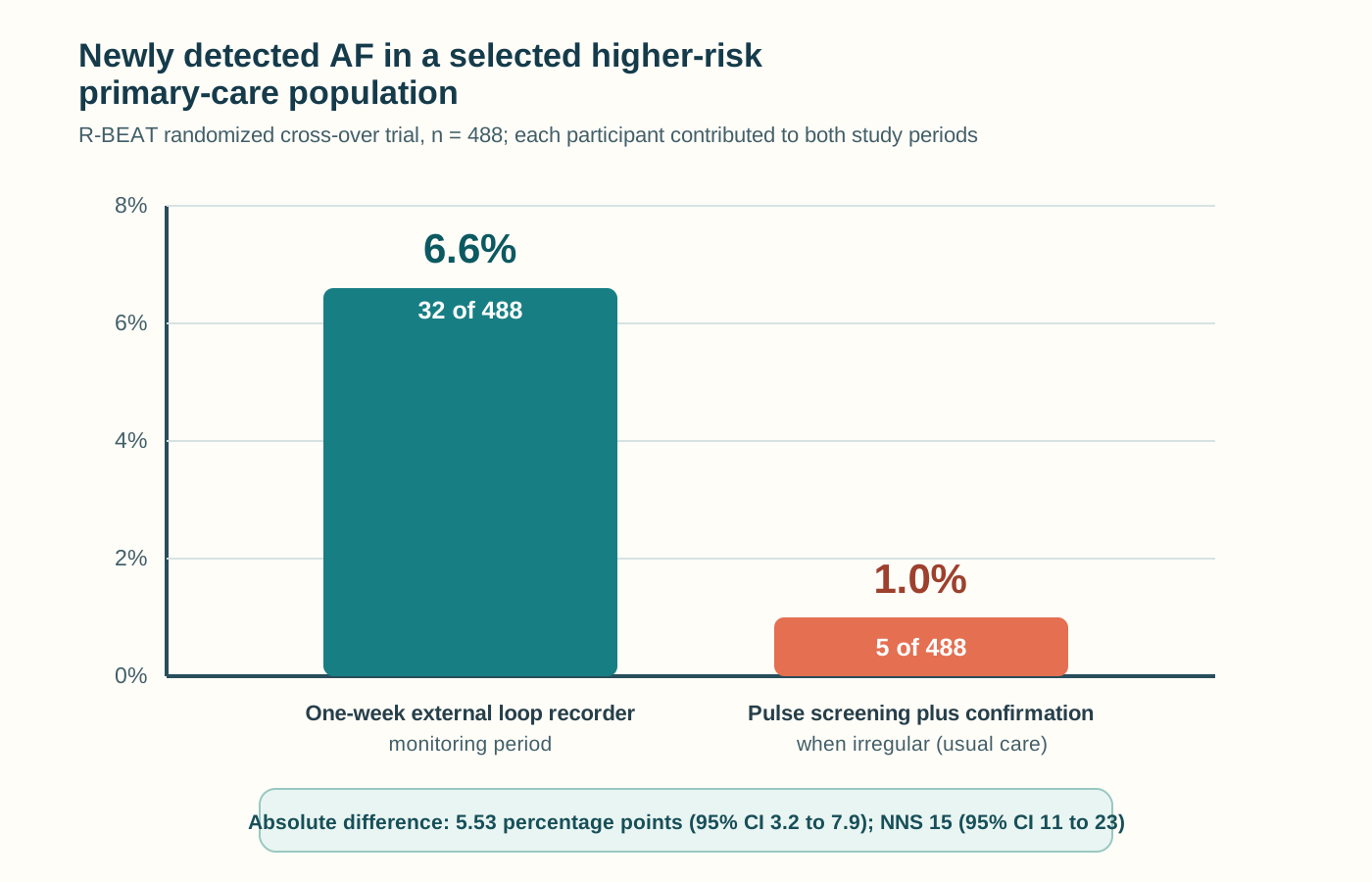
The R-BEAT randomized cross-over trial found a higher detection yield with one week of external-loop-recorder monitoring than with usual-care pulse screening in a selected, older, higher-risk primary-care population.8 The result answers a detection question, not a population-wide screening or clinical-outcome question.
Implementation evidence
The 2026 COMPASS initiative uses common core elements with site-specific implementation, including EHR identification, rapid access or alerts, and patient and clinician education. The paper describes the program and planned evaluation, not completed effectiveness results.2
Continuity evidence
Primary-care registry data show that medication continuity can deteriorate sharply during system disruption, while post-stroke follow-up data show how an unspecified or delegated plan can fail between settings.3,12
The full evidence portfolio also limits several appealing shortcuts. In a randomized trial of a smartphone relational agent plus a heart-rhythm monitor, the intervention did not improve the primary oral-anticoagulation adherence endpoint compared with an attention-control application.6 In a randomized shared-decision trial, a conversation tool improved patient involvement and clinician satisfaction without changing treatment decisions or encounter duration.14 These are useful results because they calibrate expectations. A tool may improve one part of the work without changing every downstream measure.
Leaders should therefore construct a claim ladder. At the first level, ask whether the organization reached the intended population. At the second, ask whether the signal was confirmed or resolved. At the third, ask whether the person participated in an informed decision and an owner accepted the next step. At the fourth, ask whether the plan began and persisted. Only then should the organization evaluate experience, utilization, safety, and clinical outcomes. Each level needs its own denominator and should not be inferred from the previous one.
Figure 1. Detection yield in the R-BEAT randomized cross-over trial
Detection and confirmation
Treat every signal as the beginning of a workflow.
Define the signal intake
Leaders should inventory the sources of possible AF signals and decide how each enters the organization. Consumer devices, office pulse checks, ambulatory monitors, ECGs, remote-monitoring feeds, inpatient findings, and post-stroke evaluations may use different systems and staff. A common intake should capture the source, date, result status, symptoms that require immediate clinical attention under local policy, the responsible reviewing role, and the time by which the signal should be addressed.
The wearable review emphasizes that performance depends on the reference standard, supervision, population, and treatment of inconclusive recordings.1 A portal inbox that accepts a screenshot but has no defined review category is not a pathway. An alert that fires without staffing, decision rights, or a return message creates work without dependable closure. Technology governance should therefore approve not only the device or algorithm but also the confirmation route, documentation standard, patient communication, workload, and exception handling.
Separate detection from diagnosis
The public message should be clear and calm: a notification or irregular reading may warrant qualified assessment, but it is not, by itself, a diagnosis. Internal measures should preserve that distinction. Count possible signals received, signals reviewed, diagnostic tests completed, confirmed diagnoses, alternative explanations documented, and people who could not be reached. Do not place all of those states in a single “AF identified” field.
Build capacity around the chosen population
The R-BEAT trial did not invite an unselected general population. It enrolled adults age 55 or older with elevated risk who were judged by their general practitioners to be suitable for both screening and anticoagulation if AF was detected.8 That selection shaped the yield and the route. A health system considering a targeted initiative should define eligibility, exclusions, confirmation capacity, communication support, and downstream appointment capacity before outreach begins.
Capacity includes the work after a negative or inconclusive result. People need to understand what was found, what was not found, when follow-up is appropriate, and where to seek help if symptoms change. The organization needs a way to distinguish a completed evaluation from a lost follow-up. Without that status design, leaders may celebrate completed devices while unseen results remain in queues.
Do not wait for symptoms to organize care
A prospective Thai registry included 785 asymptomatic patients with AF. Among them, ABC pathway adherence was associated with lower adjusted risk of a composite endpoint and all-cause mortality.9 Because the study was observational, it cannot prove that adherence caused the difference. It does reinforce an operational principle: symptom status should not determine whether the organization has a coherent, accessible route for confirmed AF.

Closed-loop route
Require accepted ownership at every transition.
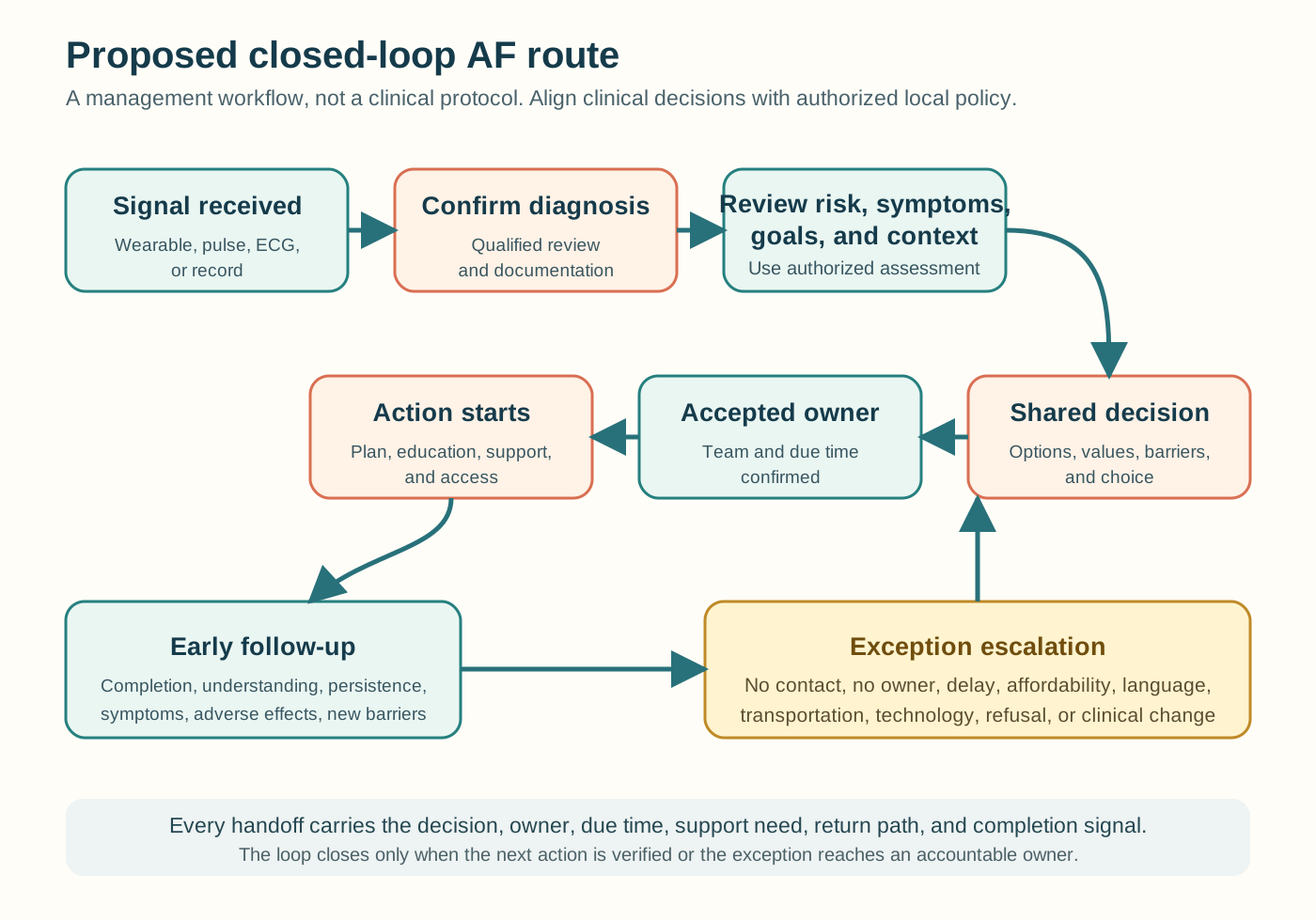
A referral is not an accepted handoff. A recommendation is not an initiated plan. A prescription is not persistence. A completed visit is not proof that the person understood the decision or could carry it out. The route closes only when the intended next action is verified, or an unresolved exception reaches someone with authority to respond.
The post-stroke discharge study makes this difference concrete. Follow-up was obtained for 1,348 of 1,685 patients. Starting the recommended anticoagulant before discharge was strongly associated with adherence, and a specific drug-and-dose recommendation was also associated with adherence. The authors identified avoidable barriers when rehabilitation clinicians did not implement the recommendation or delegated initiation to another clinician.12 The result does not mean every patient should begin medication before discharge. Contraindications, timing, clinical judgment, and patient preference matter. It does show why an incomplete plan and unclear ownership are dangerous design states.
For each transition, define the minimum dataset: confirmed status, relevant clinical context, decision and rationale, patient preference, medication details when applicable, monitoring plan, access needs, responsible team, due time, return pathway, and escalation rule. The sending team should know whether the receiving team accepted the work. The receiving team should know what decision has already occurred and what remains open. The patient should know who to contact and what will happen next.
Figure 2. Proposed closed-loop AF route
Use an exception log, not an invisible work queue
Exceptions are the cases that reveal how the system actually performs. Examples include an uploaded wearable result with no readable tracing, a referral declined because capacity is unavailable, a person who cannot afford the selected medication, a follow-up visit scheduled beyond the approved interval, a language need not carried into the next setting, or a decision deferred without a named owner. The log should include the date, reason, current owner, next action, due time, and status. It should not include unnecessary clinical detail in forums that are not authorized to receive it.
Executives do not need to review every routine case. They do need a recurring view of aged exceptions, failure modes, capacity constraints, and inequitable patterns. High-risk or time-sensitive cases should follow the organization’s clinical escalation policy. Recurring operational barriers should move to the accountable service line, access, pharmacy, technology, or contracting owner rather than remaining with individual clinicians.
Shared decisions and continuity
Support the decision before, during, and after the encounter.
Design participation, not a one-way script
In the Anticoagulation Choice randomized trial, the encounter tool improved observed patient involvement and clinician satisfaction without significantly changing treatment decisions or encounter duration.14 This is a useful implementation signal. The tool supported the quality of the conversation, but it did not predetermine the choice. Leaders should measure whether people participated, understood material information, could express preferences, and knew the next step. A desired clinical action should never be used as the sole proxy for shared decision-making quality.
The embedded implementation study found that clinician buy-in depended on seeing the tool as accurate and evidence based and believing there was time to use it. Collaboration and examples of real-world use were identified as possible supports.15 Training should therefore cover more than where to click. It should explain the evidence base, purpose, role boundaries, workflow fit, documentation, and how to use the tool in a real conversation.
Prepare people to ask and answer
A small mixed-methods pilot used nurse-led preparation, empowerment education, telephone support, and patient-initiated contact. Attendance was 82.5%, and participants improved knowledge and treatment-related decision-making, but the study did not find significant between-group changes in medication adherence, anxiety, or depression.13 The result supports feasibility and activation, not broad clinical-effect claims.
Make education targeted and repeated
A multicenter randomized trial of pharmacist-led education enrolled 376 people receiving anticoagulants for AF. Education was targeted to knowledge deficits and repeated at scheduled follow-up visits. Knowledge scores improved substantially in the intervention group, and adherence scores improved over time.10 The China-based program was intensive, and its staffing and transferability require local testing. It nevertheless shows the value of role-defined follow-up rather than assuming that one discharge conversation is enough.
Knowledge is related to behavior, but knowledge alone does not determine behavior. A 2025 cross-sectional study of 863 people at higher AF risk found that knowledge was independently associated with better reported screening practice, while attitude, sleep quality, emotional state, and how information was acquired were also associated with practice.5 Because the design is cross-sectional and self-reported, it cannot show that education caused better practice. It supports designing communication around context, not merely adding more information.
Measure continuity after the choice
The PRIME Registry study followed 3,010 U.S. primary-care patients with AF and prior oral-anticoagulant prescriptions. Persistence fell sharply during the first pandemic year, and the percentage with more than 95% proportion of days covered also declined.3 The pandemic figures are not a current benchmark, and prescription records do not prove ingestion. The executive lesson is resilience: continuity requires refill visibility, outreach rules, affordable alternatives, clinical review, and recovery plans during disruption.

Access and equity
Segment the route, then investigate the conditions behind variation.
An aggregate completion rate can conceal very different experiences. People may encounter transportation barriers, appointment scarcity, medication cost, digital-only communication, limited language access, inaccessible forms, unstable phone service, caregiving demands, or distrust built through prior experiences. An equity review should examine the route from offer through completion and avoid treating demographic identity as the cause of an operational disparity.
A 2025 U.S. systematic review and meta-analysis found lower pooled odds of AF catheter-ablation utilization for non-Hispanic Black, Hispanic/Latinx, and Asian patients compared with non-Hispanic White patients. The authors also found substantial methodological weaknesses. None of the 18 included studies explicitly defined disparity or reported the source of race and ethnicity data, important confounders were often absent, and between-study heterogeneity was high.4 Leaders should take both findings seriously: unequal use is visible, and weak measurement limits explanation.
Measure the opportunity and the handoff
For a chosen service, examine who met eligibility criteria, who was offered a discussion or referral, who accepted, who received an appointment, who completed it, and who received the intended follow-up. Use consistent definitions and document the source and quality of demographic data. Where sample sizes are small, protect privacy and avoid unstable comparisons. A difference should trigger inquiry, not an automatic conclusion.
Design multiple usable modes
The organization should make interpreter, telephone, in-person, digital, caregiver-supported, and accessible options available when clinically appropriate. Record whether an option was offered, selected, connected, and completed. If a person declines, distinguish informed preference from an inaccessible route. If capacity is the barrier, the exception should remain visible to the accountable owner.
Look at comorbidity and complexity
In the APHRS-AF registry analysis, people with chronic kidney disease had lower ABC-pathway adherence and were less likely to receive oral anticoagulation or rhythm control than those without CKD.7 These associations may reflect clinical complexity, contraindications, access, preferences, residual confounding, or other factors. The correct response is not to demand identical treatment rates. It is to ensure that differences are reviewed through qualified clinical, access, and equity lenses and that appropriate decisions are documented.
Include experience in the explanation
Quantitative variation shows where to look. Listening explains what the route required of people. Use interviews, brief follow-up questions, complaints, call recordings where permitted, and process observation to learn why appointments, decisions, or medication plans were not completed. Include patients and care partners in the redesign and compensate participation consistent with organizational policy.

Work-system conditions
Investigate failure before adding another alert.
AF follow-through can fail for reasons that are easy to mislabel. A patient may appear “noncompliant” when the pharmacy price changed, the refill was sent to the wrong location, or the next appointment was not available. A clinician may appear to ignore an alert when the result is duplicated across queues, the notification lacks enough information to act, or the receiving service has no capacity. A decision aid may appear unused when it takes too long to find, does not match the visit, or its accuracy is not trusted.
Evidence can seed an investigation but cannot diagnose the local cause. The wearable review identifies heterogeneity in confirmation routes, workflow burden, adherence, equity, and overdiagnosis concerns.1 The PRIME Registry study shows vulnerability to system disruption.3 The mobile relational-agent trial shows that adding digital engagement did not automatically improve adherence.6 The discharge study identifies delegation and nonimplementation across settings.12 The shared-decision implementation study identifies time and confidence in the tool as practical concerns.15
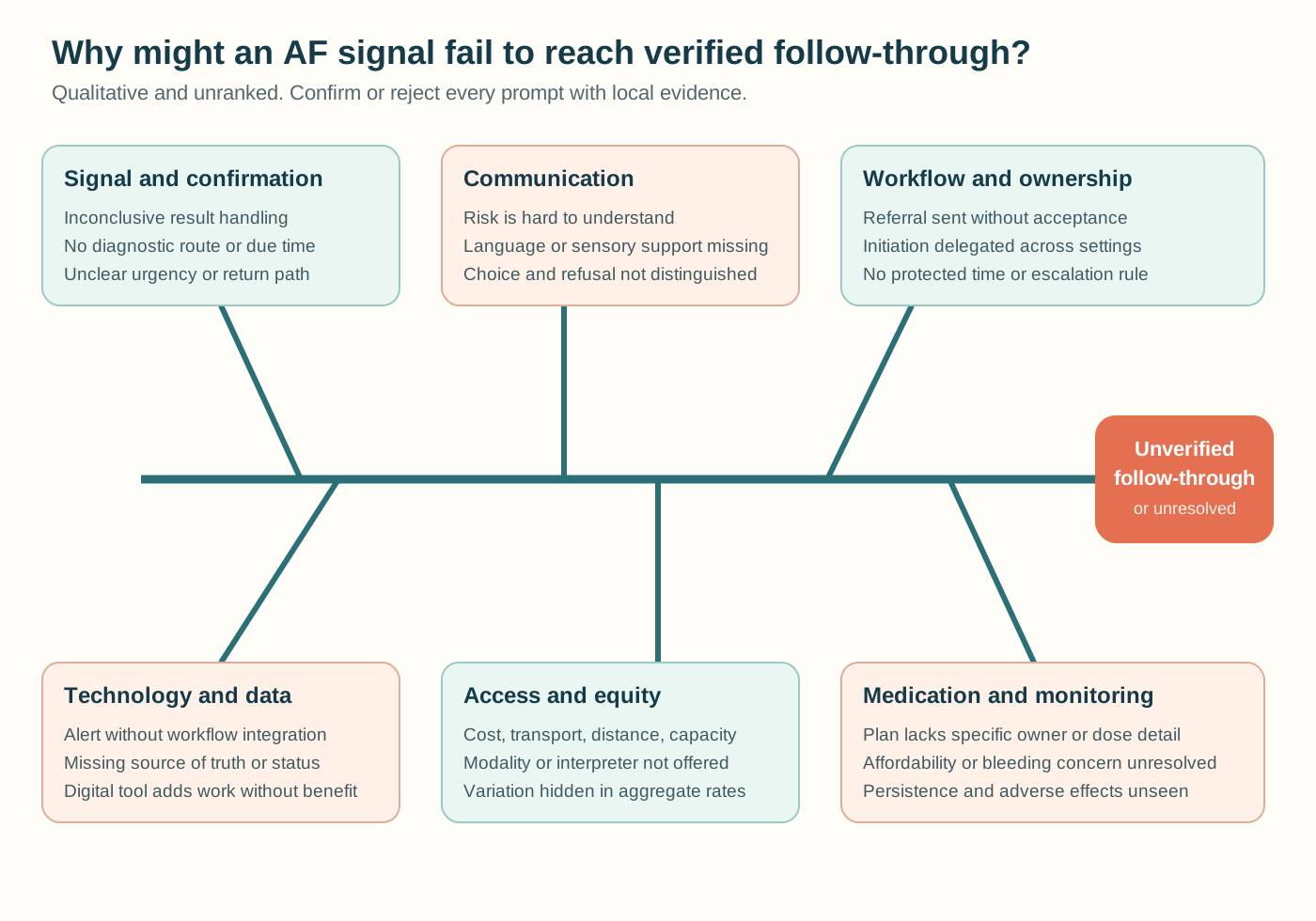
The fishbone below translates those observations into prompts. It is deliberately qualitative and unranked. The branches do not report frequency, effect size, or cause. A local team should confirm or reject each prompt with patients, care partners, frontline staff, direct observation, records, and process data.
Figure 3. Qualitative fishbone for failed AF follow-through
Run a short learning review
- State the gap precisely. Identify the signal, intended next action, point of failure, elapsed time, and verified consequence. Separate facts from assumptions.
- Reconstruct the route. Follow the person’s actual experience across queues, calls, visits, pharmacies, portals, and receiving teams. Note every handoff and decision.
- Bring the right participants. Include sending and receiving teams, access, pharmacy, technology, quality, and patient or care-partner perspectives when they are part of the route.
- Test the prompts. Look for observable evidence and competing explanations. Do not choose a cause because it is familiar or convenient.
- Correct at the system level. Change ownership, capacity, information, decision rights, access support, technology, or policy when those conditions created the gap.
- Verify effectiveness. Assign an owner, due date, balancing measure, and recheck. Escalate if the correction does not hold.
Governance
Run AF care as an operating system across settings.
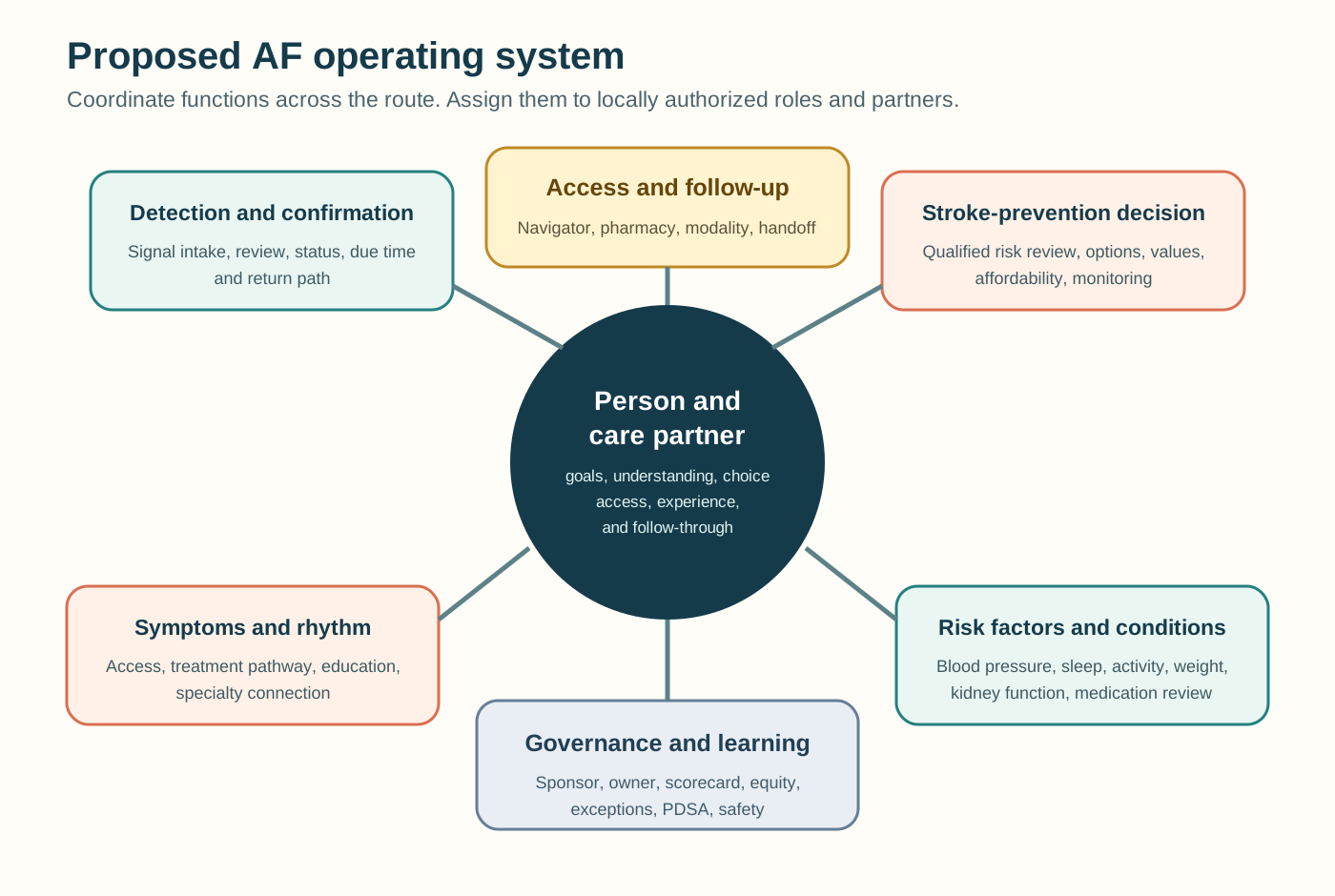
No single service controls the full AF route. Primary care, cardiology, electrophysiology, emergency care, inpatient teams, stroke services, pharmacy, nursing, patient access, remote monitoring, laboratory and diagnostic services, digital teams, payers, and community partners may each own part of the work. Executive governance should connect those functions around a shared aim and a common source of truth.
The COMPASS initiative illustrates how common core elements can be adapted by site. One health system used an EHR-supported rapid-access clinic, another used a passive best-practice alert, and another emphasized patient and provider education.2 Because the publication describes the initiative rather than completed outcomes, it should be used as implementation architecture, not proof that any component produced a clinical benefit.
Integrated-care registry studies offer complementary information. In chronic kidney disease and asymptomatic AF populations, adherence to integrated ABC care was associated with lower risk after adjustment.7,9 An Iranian service evaluation reported changes in therapy patterns and clinical events after ABC implementation, but the nonrandomized design cannot rule out other explanations.11 Together, these studies support testing a coordinated route with transparent measurement. They do not justify promising a specific outcome.
Figure 4. Proposed AF operating system
Executive sponsor
Sets the measurable aim, protects capacity, resolves cross-functional barriers, approves decision rights, and keeps aged exceptions visible.
Operational owner
Maintains the route, definitions, queue logic, partner directory, training triggers, action log, and implementation calendar.
Authorized clinical governance
Defines diagnostic confirmation, risk assessment, treatment, monitoring, urgent escalation, and safety requirements within current evidence and policy.
Access, pharmacy, and navigation
Address capacity, affordability, interpreter and accessibility needs, modality choice, medication education, refill continuity, and accepted handoffs.
Patients and care partners
Test whether messages, choices, appointments, technology, and follow-up are understandable and usable in real conditions.
Data and improvement
Maintain definitions, validate status fields, segment measures responsibly, run learning reviews, and distinguish process from outcome claims.
Measurement
Measure the full chain with definitions leaders can audit.
A useful scorecard shows movement and loss between stages. It does not collapse signals, diagnoses, referrals, prescriptions, and persistence into one rate. For each measure, define the cohort, numerator, denominator, exclusions, source, owner, cadence, and escalation. Pair process data with patient experience and safety review. Annotate missingness, workflow changes, small denominators, and known data limitations.
The measures below are management prompts, not clinical recommendations or external benchmarks. Local clinical governance should approve any time thresholds. Equity dimensions should be selected ethically, interpreted with context, and suppressed or combined when small numbers create privacy or reliability concerns.
Figure 5. Structured executive AF scorecard
| Domain | Candidate measure | Numerator / denominator | Owner and cadence | Escalation | Important limitation |
|---|---|---|---|---|---|
| Signal review | Possible AF signals reviewed within locally approved time | Signals with documented qualified review / all eligible signals received | Diagnostic or monitoring owner; weekly | Aged unreviewed signal or unclear queue | Signal sources differ in reliability and urgency |
| Confirmation | Signals reaching documented diagnostic resolution | Signals with confirmed AF or documented alternative resolution / signals requiring confirmation | Clinical pathway owner; weekly | No resolution, no contact, or unavailable capacity | Detection is not diagnosis; appropriate exclusions matter |
| Shared decision | Confirmed cases with documented informed discussion when indicated | Cases with options, patient priorities, decision, and next step documented / eligible confirmed cases | Clinical service; monthly | Decision deferred without owner or due time | Documentation quality does not prove understanding |
| Accepted handoff | Next-step referrals accepted by a receiving team | Referrals with named receiving owner and due time / referrals sent | Access and service-line owner; weekly | Declined, unassigned, or beyond approved interval | Acceptance does not prove visit completion |
| Medication continuity | Early follow-up after a new or changed plan | People with completed follow-up covering access, use, adverse effects, and questions / people requiring follow-up | Pharmacy or clinical owner; weekly | Affordability, refill, adverse effect, or no-contact exception | Prescription and claims data do not confirm ingestion |
| Experience | People reporting a clear owner and next step | Respondents answering both items positively / eligible respondents | Patient experience; monthly | Recurring confusion by site, language, or modality | Response bias and language availability affect results |
| Equity | Stage-specific completion variation | Each stage numerator and denominator by approved population dimension | Quality and equity leaders; monthly or quarterly | Material unexplained variation or access barrier | Small samples, missing data, confounding, and data provenance |
| Exceptions | Aged unresolved exceptions | Exceptions beyond approved due time / all open exceptions | Operational owner; weekly | High-risk case or recurring system barrier | Severity and time at risk should not be hidden by a single rate |
Implementation agenda
Use 90 days to make one route safer, clearer, and more measurable.
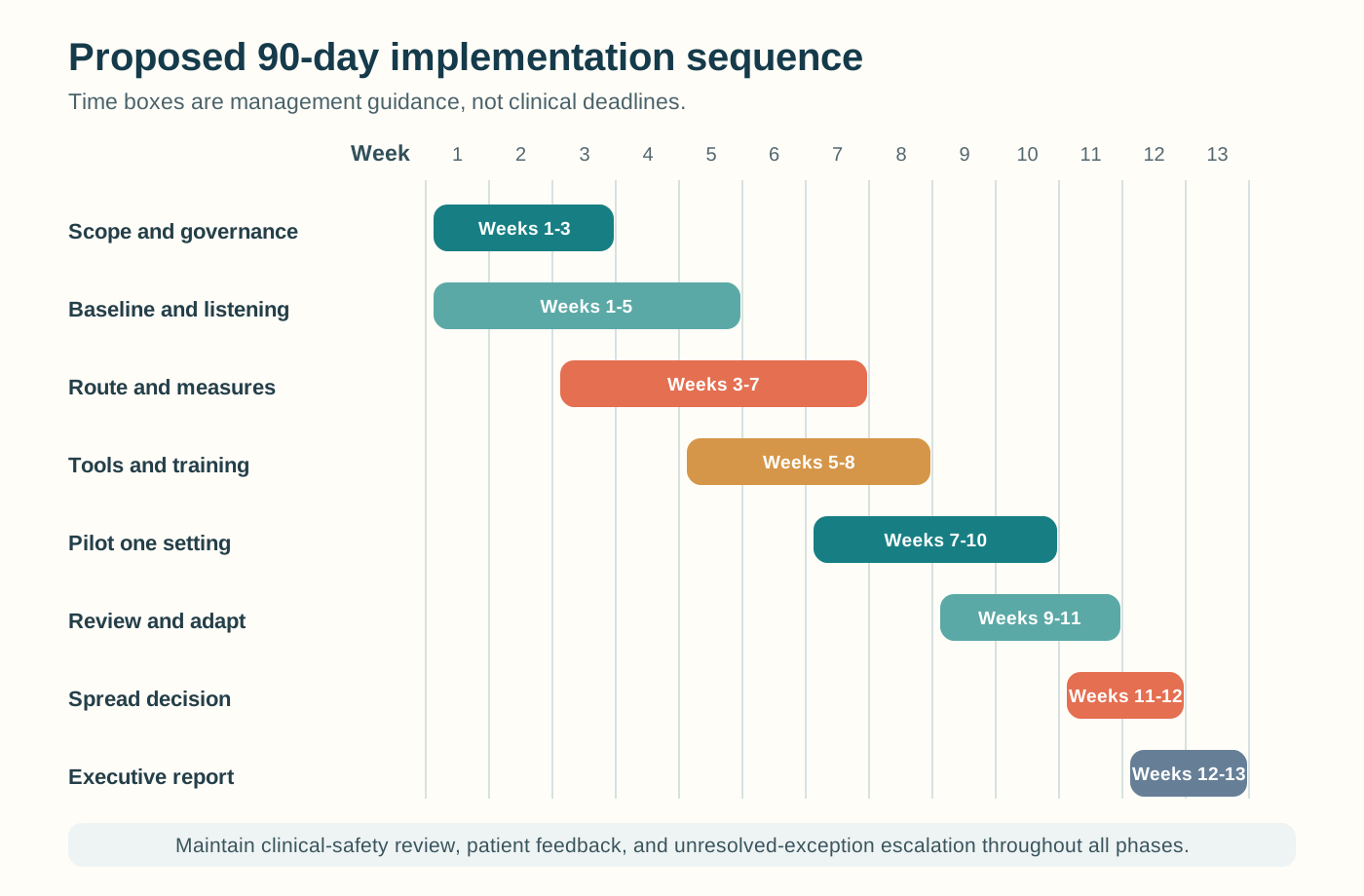
Weeks 1 to 3
Scope and listen
Name the sponsor and operational owner. Select one entry point. Review current policy, queues, capacity, complaints, and exceptions. Interview patients, care partners, and sending and receiving teams.
Weeks 3 to 7
Design the loop
Define the cohort, minimum handoff, accepted owner, due time, return path, and escalation. Establish baseline measures. Build accessible communication and alternate modes.
Weeks 5 to 10
Prepare and pilot
Configure the smallest safe workflow, test documentation, train role-specific teams, rehearse exceptions, and pilot in one representative setting with daily or weekly review.
Weeks 9 to 11
Review and adapt
Compare process data with patient and frontline experience. Investigate no-contact, no-owner, capacity, affordability, technology, and language barriers. Correct and retest.
Weeks 11 to 12
Decide on spread
Assess safety, feasibility, fidelity, workload, equity, and unresolved risk. Preserve essential functions while adapting delivery to the next setting.
Weeks 12 to 13
Report honestly
Show the route, baseline, changes, exceptions, limitations, and next decision. Separate reach, process, experience, and outcome claims.
Figure 6. Proposed 90-day implementation timeline
Executive close
Leave September with a route leaders can see and people can use.
National Atrial Fibrillation Awareness Month can raise recognition. The more durable contribution is operational. Choose one signal source, make the confirmation pathway explicit, protect shared decision-making, require accepted handoffs, support medication and appointment continuity, and surface the exceptions that do not resolve.
The evidence does not support a single universal intervention. It does support disciplined design. Monitoring can increase detection in a selected population.8 Digital engagement does not automatically improve adherence.6 Shared-decision tools can improve participation without directing the choice.14 Integrated-care registries show promising associations while retaining the limits of observational evidence.7,9,11 Equity research shows unequal utilization and serious measurement gaps.4
That combination should make executives both ambitious and careful. Ambitious enough to redesign the whole chain. Careful enough to distinguish detection from diagnosis, documentation from understanding, referral from acceptance, prescription from persistence, and association from causation.
Evidence base
Scholarly references
- Davies M, Bulluck H, Tayebjee MH. Smartwatch and wearable detection of atrial fibrillation: Current evidence and clinical implications. Trends in Cardiovascular Medicine. 2026. Online ahead of print. doi:10.1016/j.tcm.2026.08.003
- Sandhu RK, Pokorney SD, Mohanty S, et al. Centers of Excellence Optimal Management Pathways for Atrial Fibrillation Specialty Services (COMPASS) early rhythm control treatment care pathway: A quality improvement initiative. Heart Rhythm O2. 2026;7(6):1175-1181. doi:10.1016/j.hroo.2026.03.017
- Atac O, Aydin V, Peterson LE, Waters TM. The impact of the COVID-19 pandemic on oral anticoagulation adherence in patients with atrial fibrillation managed in primary care: Results from the PRIME Registry. PLoS ONE. 2026;21(3):1-13. doi:10.1371/journal.pone.0344020
- Nosair W, Shaban L, El Khoury M, et al. Racial and ethnic disparities in catheter ablation utilization for atrial fibrillation: A systematic review and meta-analysis. JACC: Advances. 2025;4(9):102105. doi:10.1016/j.jacadv.2025.102105
- Yi Z, Yan X, Xi S, et al. Knowledge, attitude, and practice on atrial fibrillation and atrial fibrillation screening in high-risk population: A cross-sectional study. Aging Medicine. 2025;8(4):312-323. doi:10.1002/agm2.70030
- Magnani JW, Lalama CM, Abebe KZ, et al. A mobile relational agent to enhance atrial fibrillation self-care: Primary and secondary outcomes of a randomized controlled trial. American Heart Journal. 2025. Online ahead of print. doi:10.1016/j.ahj.2025.06.009
- Tse HF, Siu CWD, Shimizu W, et al. Adherence to the ABC (atrial fibrillation better care) pathway and risk of adverse outcomes in patients with chronic kidney disease: A report from the prospective APHRS-AF registry. The Lancet Regional Health - Western Pacific. 2025;58:101570. doi:10.1016/j.lanwpc.2025.101570
- Murphy R, Waters R, Murphy A, et al. Risk-based screening for the evaluation of atrial fibrillation in general practice (R-BEAT): A randomized cross-over trial. QJM: An International Journal of Medicine. 2025;118(3):166-173. doi:10.1093/qjmed/hcaf001
- Kaolawanich Y, Winijkul A, Yindeengam A, Sairat P, Lip GYH, Krittayaphong R. Adherence to integrated care using the Atrial Fibrillation Better Care pathway in asymptomatic patients with atrial fibrillation improves clinical outcomes: A report from the prospective COOL-AF registry. Heliyon. 2025;11(1):e41586. doi:10.1016/j.heliyon.2024.e41586
- Xu W, Wu T, Chen J, et al. Effects of intensive, targeted education by pharmacists on anticoagulant patients with atrial fibrillation: A multicentre randomized controlled trial from China. European Journal of Cardiovascular Nursing. 2024;23(8):935-944. doi:10.1093/eurjcn/zvae092
- Haghjoo M, Askarinejad A, Heidarali M, et al. Implementation of an atrial fibrillation better care (ABC) pathway management strategy: Findings from the Iranian registry of atrial fibrillation. IJC Heart & Vasculature. 2024;53:101461. doi:10.1016/j.ijcha.2024.101461
- Frank T, Neumann J, Assmann A, et al. Predictors for adherence to recommended anticoagulation after stroke unit discharge in patients with atrial fibrillation. Cerebrovascular Diseases Extra. 2024;14(1):21-29. doi:10.1159/000537781
- Li PWC, Yu DSF, Yan BP. Nurse-led multi-component behavioural activation programme to improve health outcomes in patients with atrial fibrillation: A mixed-methods study and feasibility analysis. European Journal of Cardiovascular Nursing. 2023;22(6):655-663. doi:10.1093/eurjcn/zvac104
- Kunneman M, Branda ME, Hargraves IG, et al. Assessment of shared decision-making for stroke prevention in patients with atrial fibrillation: A randomized clinical trial. JAMA Internal Medicine. 2020;180(9):1215-1224. doi:10.1001/jamainternmed.2020.2908
- Spencer-Bonilla G, Thota A, Organick P, et al. Normalization of a conversation tool to promote shared decision making about anticoagulation in patients with atrial fibrillation within a practical randomized trial of its effectiveness: A cross-sectional study. Trials. 2020;21(1):395. doi:10.1186/s13063-020-04305-2