


September 2026 · Executive Brief
National Cholesterol Education Month 2026: Turn Awareness into an Accountable Care Route
Use September to test whether an abnormal result becomes an understood, accessible, monitored plan with a named owner, a due date, and a recovery path when the route breaks.
Leadership signal
Awareness is not the endpoint. Follow-through is.
National Cholesterol Education Month gives healthcare leaders a useful reason to inspect a common care route. The operational question is not whether the organization can publish education. It is whether a person who needs evaluation can move from measurement to contextual review, an understandable decision, an accessible plan, monitoring, and appropriate escalation without disappearing between teams. A campaign can increase demand while leaving ownership, laboratory routing, pharmacy access, scheduling, language support, or follow-up unchanged. That produces activity without reliability.
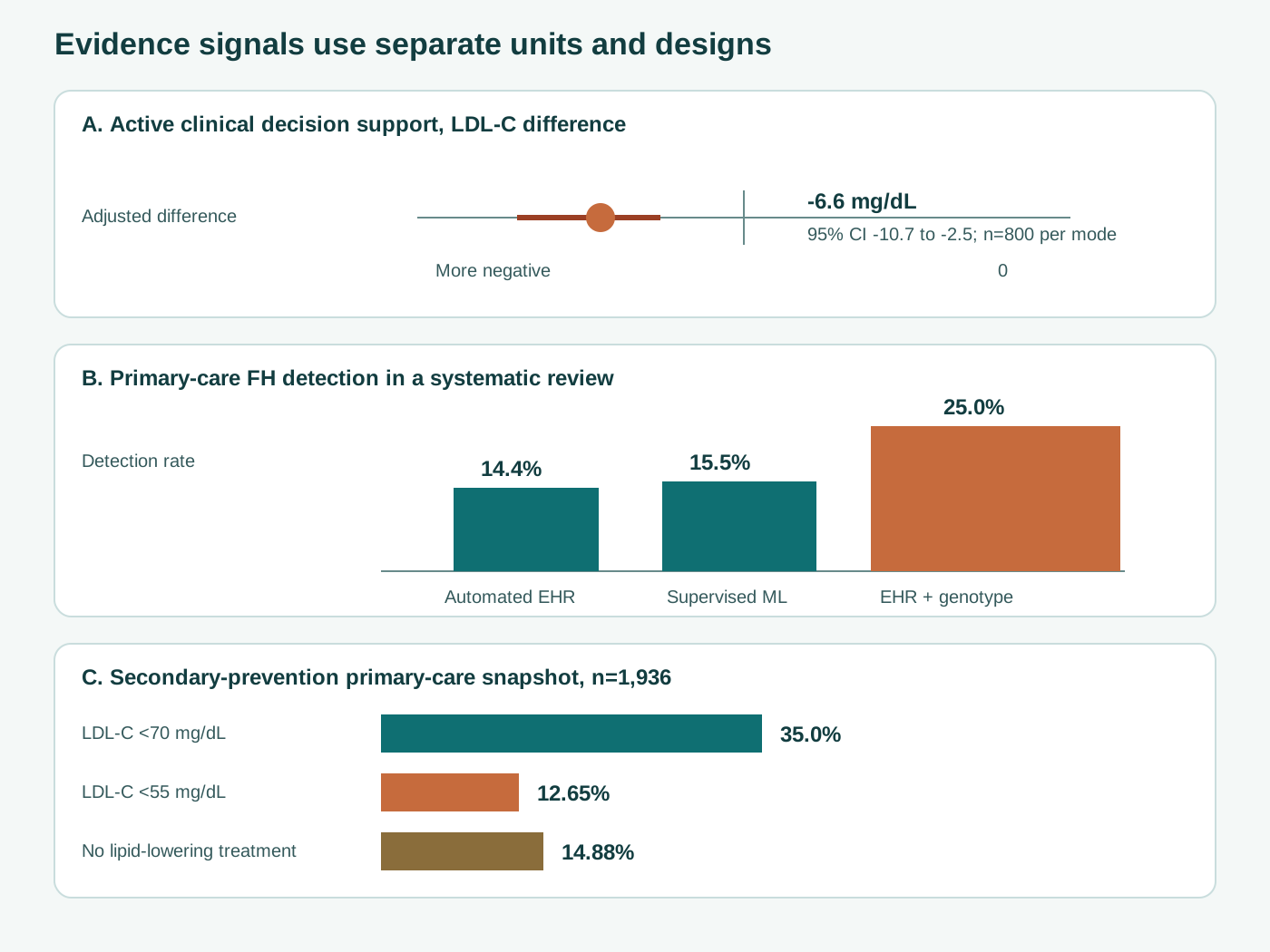
The research portfolio shows why this distinction matters. In a 2025 cross-sectional study of 1,936 adults with ischemic heart disease across three primary-care centers, 14.88% had no lipid-lowering treatment documented, 35.0% had low-density lipoprotein cholesterol, or LDL-C, below 70 mg/dL, and 12.65% had LDL-C below 55 mg/dL. Men had higher odds of receiving more intensive treatment, while increasing age was associated with lower intensity.5 These percentages describe one population under its applicable guidance. They do not create a universal target for every person or every organization. They do reveal a leadership need to understand who is not moving through the route and why.
A much larger Italian database analysis of more than 700,000 people with type 2 diabetes found improvement from 2019 through 2022, but important gaps remained. Among very high-risk patients, the share with LDL-C below 55 mg/dL increased from 16.3% to 23.6%. Among high-risk patients, the share below 70 mg/dL increased from 20.3% to 26.6%. Nearly one-third still had LDL-C at or above 100 mg/dL in 2022.10 The study is observational and based in Italy. Its executive value is not a local benchmark. It demonstrates that improvement and persistent gaps can coexist.
Implementation evidence suggests that the operating system can change performance. A multisite pre-post study evaluated active clinical decision support for people with severe hypercholesterolemia across three sites, 16 hospitals, and 53 clinics. In matched groups of 800 patients per mode, active decision support was associated with an adjusted LDL-C difference of -6.6 mg/dL, with a 95% confidence interval from -10.7 to -2.5. It was also associated with higher odds of high-intensity statin use and treatment initiation or intensification.16 Because the study was not randomized, leaders should treat the findings as an implementation signal rather than proof that an alert alone caused every change.
A 2025 review of implementation strategies reached a broader conclusion. Multidisciplinary care, pharmacist- or nurse-led work, decision-support algorithms, education, shared decisions, behavioral support, telehealth, and remote care have shown potential. The strongest architecture is multifaceted because clinician, patient, and system barriers interact. The authors also emphasized heterogeneity, limited long-term evidence, and the need to evaluate sustainability and scalability.11
Evidence to action
Different studies answer different management questions.
An academic portfolio is most useful when leaders preserve design, denominator, unit, and uncertainty. A systematic review can describe the range of screening methods. A randomized trial can test a defined intervention under specified conditions. A quasi-experimental study can show how implementation changed detection in a particular setting. A cross-sectional study can describe a gap but cannot establish its cause. A qualitative study can reveal experience and communication failures without estimating their prevalence. Combining unlike findings into a single performance claim would create false precision.
Detection signal
A systematic review of five nonrandomized primary-care studies reported detection rates of 14.4% for automated electronic-record algorithms, 15.5% for supervised machine learning, and 25.0% for a hybrid electronic-record and genotype-confirmation approach.14 The approaches and populations differed, so the percentages are not a head-to-head ranking.
Implementation signal
Active clinical decision support was associated with a modest adjusted LDL-C difference and higher odds of treatment action in a large, multisite pre-post evaluation.16 Workflow fit, alert design, team roles, and follow-up remain essential.
Adherence signal
In a large UK Biobank analysis, medication coverage above 95% was associated with LDL-C reductions up to 38%, compared with 15% among people with coverage below 50%. Higher coverage was also associated with lower incident coronary heart disease.8 Observational associations require cautious interpretation.
Figure 1. Three evidence questions with separate axes
Point-of-care testing offers another implementation signal. A 2025 quasi-experimental cluster trial recruited 1,234 participants across eight public primary-care facilities in urban and rural Peru. Point-of-care testing alone increased detection of high cholesterol relative to conventional testing, with an adjusted relative risk of 1.24. Point-of-care plus conventional testing produced an adjusted relative risk of 1.56. The intervention included staff training, equipment implementation, public communication, and follow-up, so the result should not be attributed to a device in isolation.9 Local leaders considering point-of-care testing need quality control, confirmatory pathways where appropriate, documentation, maintenance, supply continuity, result routing, and authorized clinical governance.
Economic evidence can support planning without pretending there is one correct screening model. A 2024 systematic review included 19 economic evaluations of familial hypercholesterolemia screening. Sixteen, or 84%, concluded that the evaluated strategy was potentially cost-effective. Reported incremental cost-effectiveness ratios included $49,630 per quality-adjusted life-year for cascade screening and $20,860 per quality-adjusted life-year for universal screening, but methods, settings, assumptions, perspectives, and thresholds varied.15 These values are not a local business case. A responsible local model must use current costs, capacity, payer rules, uptake, time horizon, and equity implications.
Education deserves similar restraint. A pragmatic randomized trial of 113 adults with elevated cholesterol compared written dietary advice with no written advice. The study found no between-group LDL-C difference at three weeks or six months. One-quarter of the intervention group reduced LDL-C by at least 10% at three weeks, and that subgroup maintained a smaller reduction at six months.17 A handout may help some people, but education alone is not a reliable closed-loop system. Leaders should measure understanding, choice, access, start, follow-up, and adaptation separately.
Closed-loop reliability
A laboratory value needs a route, not just a result.
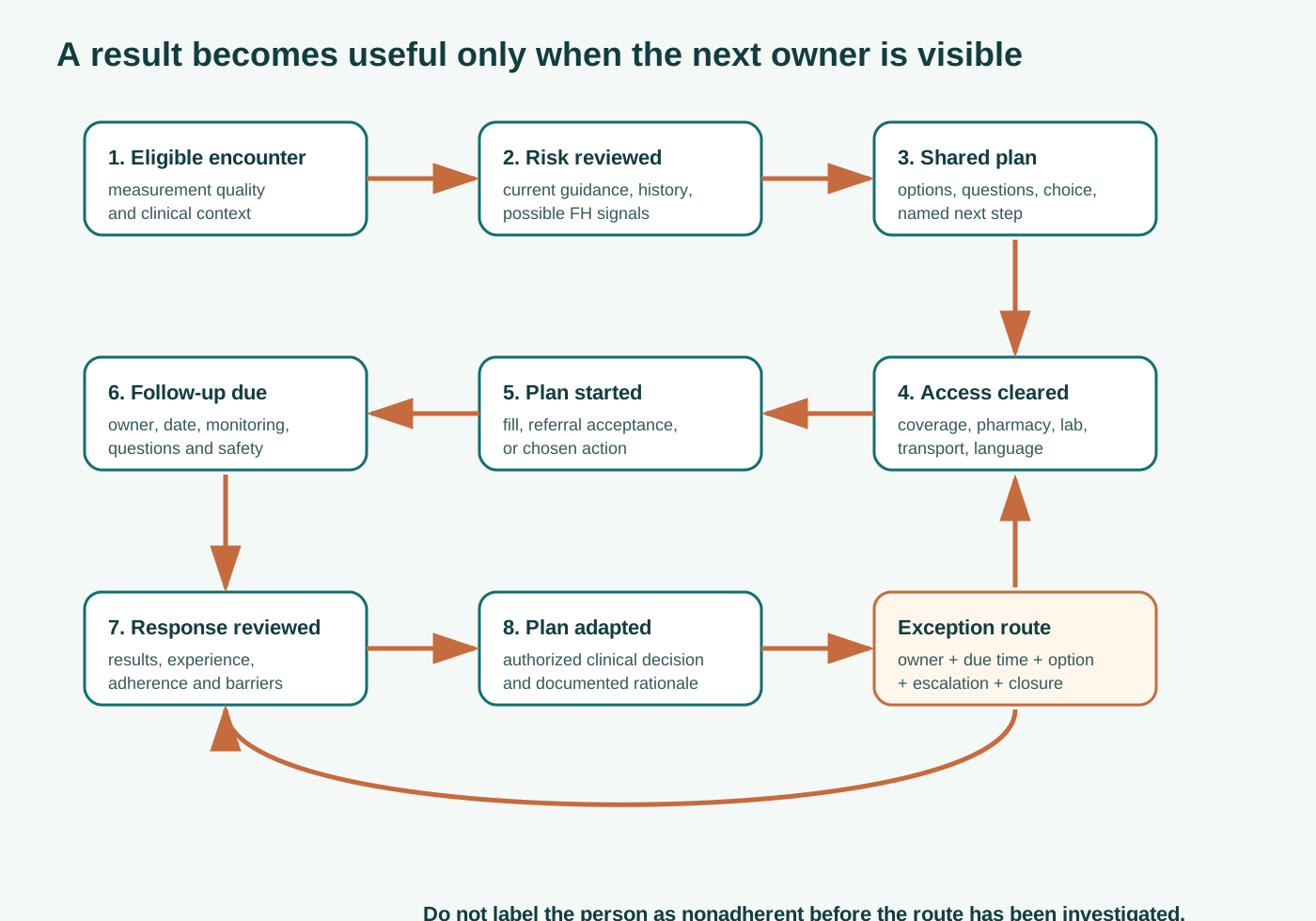
A completed test is only the first event. The organization must know whether the result reached the correct inbox, whether the responsible clinician reviewed it with relevant history and current guidance, whether the person understood the meaning and options, whether a plan was chosen, whether access barriers were cleared, and whether monitoring occurred when due. Each stage requires its own owner and completion signal. One denominator cannot safely represent the whole pathway.
Start by defining the eligible population for the selected entry point. Eligibility may depend on age, clinical history, current policy, prior measurements, risk context, or a specialist pathway. The article does not prescribe a screening interval, diagnostic threshold, or treatment target. Those decisions belong to qualified clinicians using current guidance, patient-specific information, and local policy. The leadership responsibility is to make the authorized clinical process visible and dependable.
Figure 2. Proposed closed-loop cholesterol care route
Specify the minimum viable handoff
The sending and receiving roles should agree on required information, consent, expected response time, access needs, and the signal that transfers ownership. A referral order is not an accepted referral. A prescription is not a fill. A result notification is not understanding. A scheduled follow-up is not a completed review. A message sent is not a message received. The route should state what happens if the next team declines, the pharmacy cannot fill, the laboratory cannot complete the work, the person cannot use the offered mode, or the result does not return.
The exception route is part of the standard, not an afterthought. Every exception should have a category, owner, due time, next available option, clinical escalation rule, and closure definition. Aged exceptions should appear in an operational view until resolved. Executives need enough detail to remove system barriers while protecting individual privacy. Frontline teams need a route that reduces duplicate work rather than creating another inbox.

Understanding and choice
Shared decisions should produce a usable next step.
A decision aid can improve a conversation, but exposure to a tool is not the same as a durable outcome. A 2025 observational analysis included 17,001 statin-naive patients. Thirteen percent were exposed to the Statin Choice tool and 7% were prescribed a statin. Tool exposure was associated with much higher odds of a prescription and, among those prescribed, higher odds of primary adherence. At 12 months, adjusted adherence was not significantly different. Average LDL-C reduction associated with exposure was 12 mg/dL.7 Because clinicians selected when to use the tool, the associations are not proof of causation.
The operational lesson is to design the full decision episode. The person should understand why the conversation is happening, what is known, what remains uncertain, what options are available, what each option may require, and what the next step will be. Teams should create room for questions, preferences, prior experiences, cost concerns, and chosen support people. Documentation should distinguish that options were discussed from the person's decision and from the plan's actual start.
Communication about risk must be accurate without becoming coercive. Percentages should state the denominator and time frame. Relative and absolute effects should not be mixed. Population evidence should not be presented as a guaranteed individual outcome. The care team should avoid labeling questions or hesitation as resistance. An informed decline is different from an inaccessible plan, an unaddressed concern, a delayed pharmacy fill, or a route that lost ownership.
A 2025 proof-of-concept randomized open-label study assigned 150 adults with suboptimal adherence to two mobile-app groups or a no-app control for 12 weeks. Adherence scores were modestly more favorable in the intervention groups, and non-HDL-C changes also favored the app groups, but the study was single-center, short, and exploratory.12 Digital support can be an option, not a default assumption. Leaders should test digital access, language, accessibility, privacy, burden, engagement, and the availability of a non-digital route.
The large UK Biobank adherence analysis adds a timing signal. Returning for a follow-up assessment within three months was associated with greater LDL-C reduction than returning later, and higher medication coverage was the strongest predictor of reduction. Higher coverage was associated with lower incident coronary heart disease, with a hazard ratio of 0.78 and a 95% confidence interval from 0.73 to 0.84.8 These findings are observational. They support dependable follow-up and barrier review, not surveillance or blame.

Access and equity
Do not call a plan nonadherent until the system has investigated the route.
Medication coverage, laboratory access, transportation, visit times, work schedules, caregiving, cost, insurance, pharmacy inventory, language, disability access, technology, trust, and prior experiences can shape whether a plan is usable. The same offer does not produce the same access. A reliable system separates informed choice from barriers that the organization can remove or escalate.
A 2025 retrospective review of 20,923 primary-care charts found that 33.7% of patients received a high-intensity statin, 33.5% received a low- or medium-intensity statin, and 32.8% received no statin. High-intensity prescribing was more common among men than women, at 35.2% versus 30.3%. Any statin prescribing also differed across reported racial groups, and more appointments were associated with more prescribing.4 The design cannot identify why these differences occurred or whether a specific decision was appropriate. It supports structured review of access, opportunity, and decision processes.
Earlier UK primary-care research followed 31,039 people with incident type 2 diabetes across ethnic groups. Statin initiation was lower among African or African Caribbean and South Asian patients than among European patients after adjustment. Median time to initiation was 79 days for European, 109 days for South Asian, and 84 days for African or African Caribbean patients. The authors modeled potentially preventable cardiovascular events if prescribing differences were eliminated.18 The study is observational and the event estimate depends on modeling. It reinforces the need to examine both initiation and time to initiation with locally valid context.
A 2020 analysis of 4,423 college-age students also found associations between socioeconomic factors, race, sex, athletic participation, and lipid patterns.19 It does not establish a screening policy or causal explanation. It reminds leaders that a route designed only around older adults may miss opportunities to recognize risk earlier, while any local program still requires current clinical guidance and appropriate consent.
Segment the stages responsibly
For the selected route, examine eligibility, completed measurement, timely review, shared plan, fill or start, follow-up, monitoring, and escalation. Stratify only when definitions, privacy, data quality, and sample size support responsible interpretation. A difference is a signal for investigation, not proof of bias, biology, behavior, or cause. Pair quantitative review with interviews, chart review, observation, and frontline process mapping. Protect small cells and avoid using identity as an explanation for a system result.
Offer multiple usable modes where clinically appropriate. Track which modes were offered, selected, available, started, and sustained. Digital reminders may help some people and exclude others. Telehealth may reduce travel and create privacy or technology burdens. Pharmacy support may resolve coverage or leave transportation unchanged. A navigation service is useful only if it can see the next step, contact the right team, and close the loop.
Familial hypercholesterolemia
When the route may extend to relatives, consent and navigation become core infrastructure.
Familial hypercholesterolemia, or FH, creates a distinct operational challenge because identifying one person can create an opportunity for relatives. A 2024 systematic review estimated FH prevalence at roughly 1 in 250 to 350 people and found only five eligible primary-care detection studies, all nonrandomized and at moderate risk of bias.14 Leaders should not mistake an electronic flag for a diagnosis. The route needs clinical confirmation, appropriate testing, counseling, privacy, consent, family communication choices, and a dependable destination.
A 2026 Polish primary-care program enrolled 4,018 patients, referred 378, and genetically tested 125 who met the program's criteria. Pathogenic heterozygous FH mutations were identified in 57, or 45.6%, of those tested. A first-degree family member with untreated LDL-C above 190 mg/dL was associated with more than elevenfold higher odds of FH.1 This is one national program with a defined algorithm, specialist collaboration, and genetic testing. Its yield should not be applied to an unselected local population.
A 2025 retrospective audit of a nurse-led cascade screening service in Northern Ireland reported 1,866 identified cases from an estimated population of 6,925, or 26.9%, and 3.2 cases detected per proband. The service exceeded a national target of 25% identification, and 16.7% of diagnosed individuals were younger than 16.3 The study describes an established service rather than a randomized comparison. It supports role clarity, family navigation, and adequate workforce planning.
Implementation research is actively testing how to make cascade screening equitable. A 2024 protocol describes a Type III hybrid randomized trial comparing automated health-system mediated communication with a nonprofit care-navigator strategy, with reach defined as the proportion of probands who have at least one first-degree relative screened.13 Because it is a protocol, it provides no effect result. Its importance is methodological: family reach, not messages sent, is the implementation outcome.
Experience evidence adds an essential safeguard. A small 2026 qualitative study of people offered inpatient FH screening after premature atherosclerotic cardiovascular disease identified themes related to family history, health-system functioning, the value of screening, and communication. Participants expressed surprise that screening had not occurred sooner.2 The study cannot estimate how common this experience is. It supports clear explanations, timely offers, and a route that does not rely on a person already knowing their family history.

Work-system conditions
Investigate the route before assigning blame.
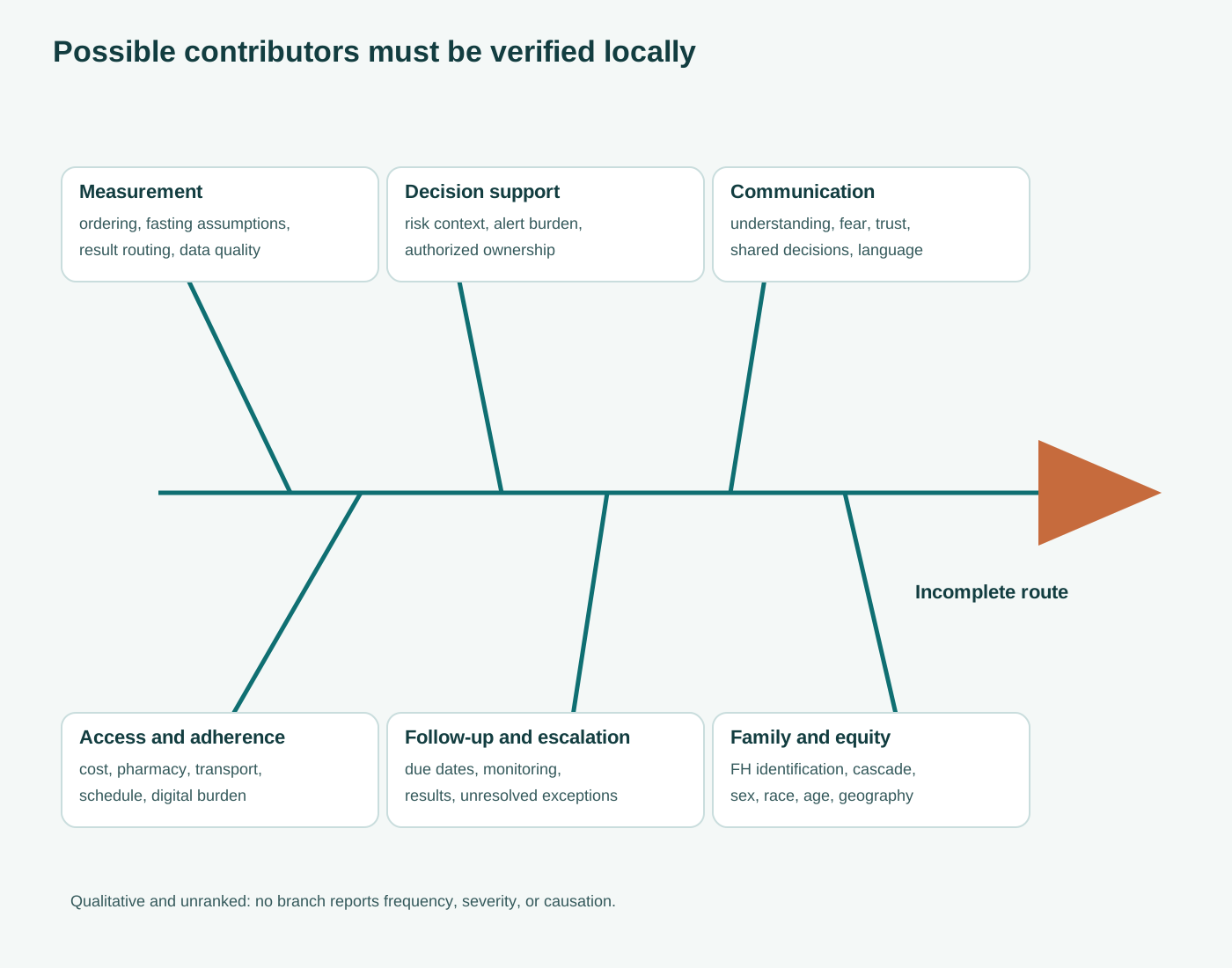
A person may appear not to follow a plan when the prescription was unaffordable, the pharmacy could not fill it, the laboratory result went to an unmonitored inbox, the reminder was sent in an unusable language, the follow-up conflicted with work, or the expected monitoring was never explained. A clinician may appear not to act when an alert fires without protected time, the responsible role is unclear, or the next service has no capacity. A family cascade may stall because no one owns consent, outreach support, testing access, or result return.
The literature can seed a local investigation but cannot diagnose the local cause. The shared-decision study identifies differences between tool exposure, prescribing, initial adherence, and twelve-month adherence.7 The adherence analysis identifies timing and medication coverage associations.8 The decision-support evaluation identifies workflow potential.16 Equity studies identify differences requiring explanation.4,18,19 Every branch still needs local evidence.
Figure 3. Qualitative fishbone for an incomplete route
Run a short learning review
- State the gap precisely. Identify the intended stage, actual event, elapsed time, denominator, and consequence. Separate observation from assumption.
- Reconstruct the route. Follow the sequence across order, test, result, inbox, conversation, pharmacy, referral, follow-up, and monitoring.
- Include the right voices. Invite the person and chosen support, sending and receiving teams, pharmacy, laboratory, access, navigation, data, quality, and clinical governance as relevant.
- Test competing explanations. Seek observable evidence. Do not select the most familiar cause or treat demographic identity as the explanation.
- Correct the condition. Change ownership, capacity, information, scheduling, mode, decision support, access, or escalation when those conditions created the gap.
- Verify the correction. Assign an owner, due date, balancing measure, and recheck. Escalate when risk or access failure remains unresolved.
Governance
Run cholesterol care as a cross-functional operating system.
No single department controls the route. Primary care may establish context and continuity. Laboratory teams support reliable measurement and result routing. Pharmacy teams may resolve access, fill, and medication questions. Specialists and genetic services may support complex cases and FH pathways. Data teams can identify eligible populations and aged exceptions. Navigation can address language, transportation, coverage, and family coordination. Quality teams test workflow. Clinical governance controls assessment, diagnosis, treatment, monitoring, and safety.
A 12-month Best Practices Learning Collaborative illustrates the value of organized, multi-component improvement. Participating healthcare organizations used education, clinical decision support, care coordination, patient education, and work focused on very high-risk populations. Organizations improved one or more measures, including any statin use, high-intensity statin use, and LDL-C below 70 mg/dL, although the abstract did not provide a pooled effect size.6 The work was supported by industry funders. Leaders should consider conflicts of interest, local context, and the absence of a single pooled estimate.
Figure 4. Proposed cholesterol care operating system
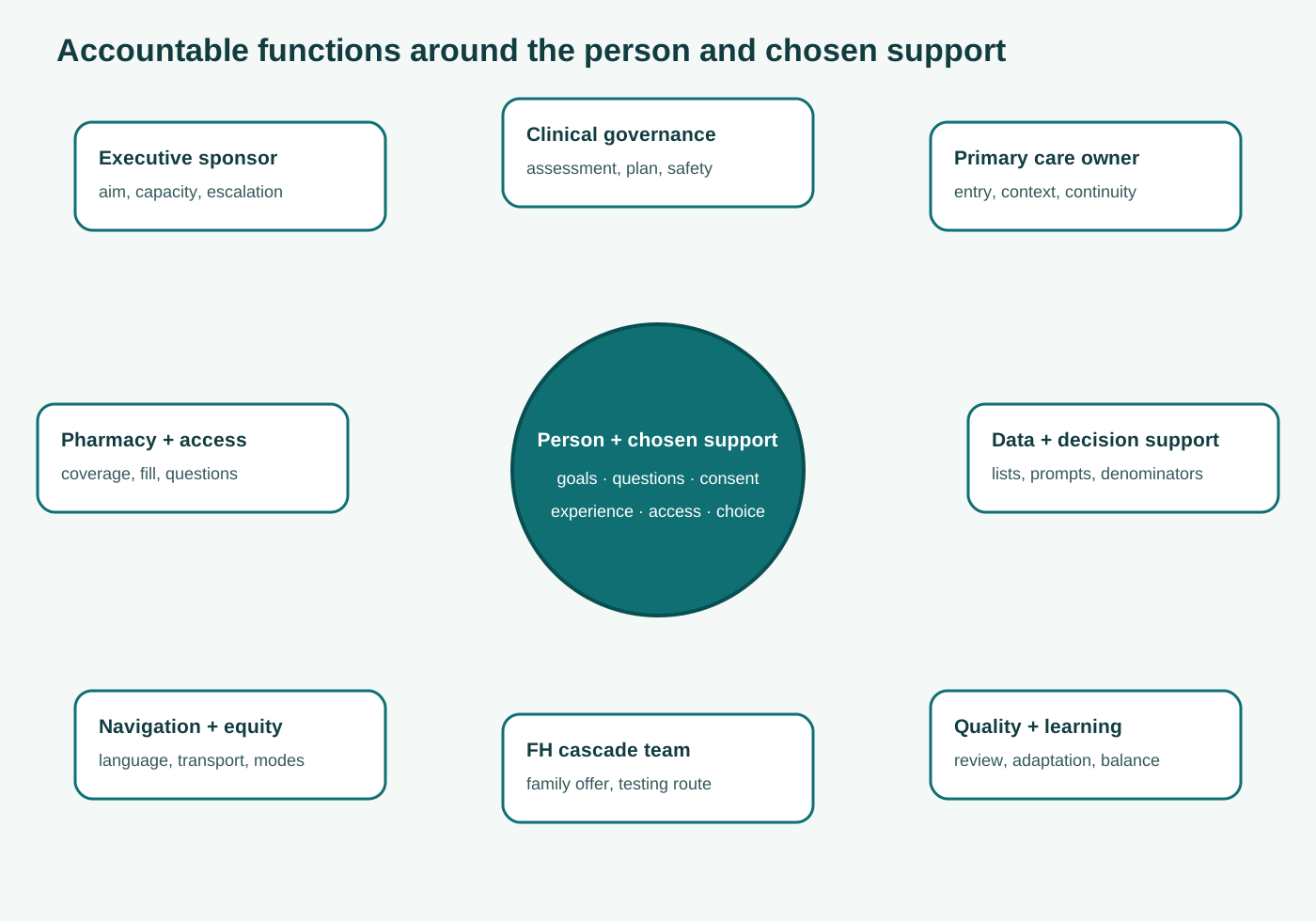
Executive sponsor
Sets the measurable aim, protects capacity, resolves cross-functional barriers, defines decision rights, and keeps aged exceptions visible.
Operational route owner
Maintains definitions, handoffs, service contacts, decision-support logic, exception categories, training triggers, and the implementation calendar.
Authorized clinical governance
Controls assessment, diagnosis, treatment, monitoring, safety, urgent escalation, and clinical documentation under current evidence and policy.
Person and chosen support
Shape understandable communication, acceptable burden, experience measures, decision support, and improvement priorities. Participation should be voluntary and supported.
Data and quality
Maintain stage-specific denominators, validate source data, monitor exceptions and balancing measures, protect privacy, and prevent misleading comparisons.
Access and navigation
Resolve coverage, pharmacy, laboratory, transportation, language, technology, scheduling, and family-route barriers while preserving a non-digital option.
Measurement
A scorecard should show where the route narrows.
Counts should not be carried forward across stages. The denominator for timely review is completed results, not every eligible encounter. The denominator for plan start is people who chose a plan, not every reviewed result. The denominator for monitoring is people for whom monitoring was due under the authorized plan. Experience measures should report who had an opportunity to respond. Clinical outcomes should state the measure, unit, time point, missingness, and analysis population.
The scorecard below is a design template, not a benchmark. Targets should be set only after local definitions, baseline performance, capacity, equity review, and clinical governance are validated. Improvement teams should read numbers with qualitative evidence. A rising referral rate can be harmful if destination capacity, acceptance, or follow-up deteriorates.
Figure 5. Structured cholesterol care route scorecard
| Measure | Numerator | Denominator | Source and owner | Cadence | Interpretation limit |
|---|---|---|---|---|---|
| Eligible encounter | Encounters meeting the approved local definition | Encounters in the selected entry point | EHR logic; clinical governance | Monthly | Eligibility logic is not a diagnosis |
| Measurement completed | Eligible encounters with a valid result | Eligible encounters where measurement was ordered or due | Laboratory and EHR; route owner | Weekly and monthly | Completion does not prove result review |
| Timely contextual review | Results reviewed within the locally approved time | Valid results returned | EHR audit; clinical operations | Weekly | Electronic acknowledgment may not prove clinical quality |
| Shared plan documented | Reviewed results with options, choice, and next step documented | Results requiring a decision conversation | EHR and audit; clinical governance | Monthly | Documentation does not prove understanding |
| Plan started | Chosen plans with verified first action | People who chose a plan | Pharmacy, referral, or care record; route owner | Weekly and monthly | Prescription or referral is not a start |
| Monitoring completed | Due monitoring completed in the defined window | People with monitoring due | Laboratory and EHR; clinical owner | Monthly | Timing depends on the authorized plan |
| FH cascade reach | Probands with at least one eligible relative completing the defined screening step | Probands accepting cascade support | FH pathway; navigator | Monthly or quarterly | Protect consent and family privacy |
| Unresolved exceptions | Open exceptions past the approved due time | All logged route exceptions | Exception log; executive sponsor | Weekly | Depends on consistent logging |
| Understanding and experience | Respondents meeting defined understanding, respect, and usability criteria | Eligible respondents with an opportunity to answer | Experience tool; partnership lead | Quarterly | Response bias and wording affect results |
| Equity review | Stage-specific numerator for the selected measure | Its matching stage-specific denominator | Validated linked data; quality | Quarterly | Differences do not establish cause |
| Clinical response | People meeting the locally defined response criterion | Specified analysis population with valid follow-up | Clinical record; clinical governance | Approved time point | Do not infer causation from uncontrolled change |
Executive agenda
A focused 90-day test can make the route visible.
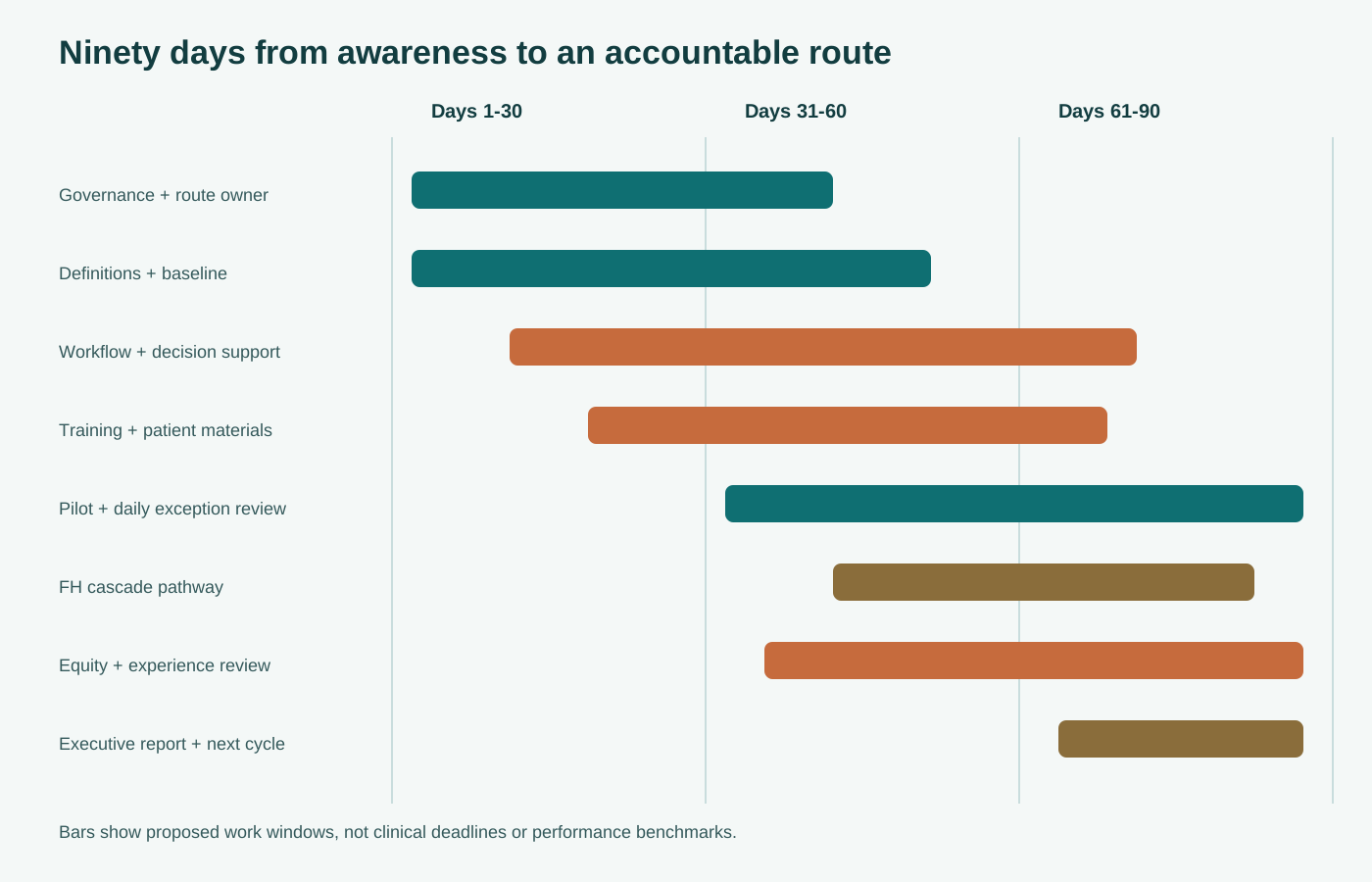
Days 1 to 30: define and verify
- Name an executive sponsor, clinical authority, operational owner, and selected entry point.
- Map the current route with patients, chosen support people, clinicians, pharmacy, laboratory, access, and data teams.
- Define every stage, denominator, completion signal, exception category, owner, and due time.
- Validate the eligible-population logic and a baseline sample against source records.
- Confirm capacity before publishing promotional calls to action.
Days 31 to 60: build and rehearse
- Configure only the minimum useful decision support and test it in real workflow.
- Create understandable communication and a non-digital alternative.
- Rehearse handoffs, result routing, pharmacy problems, declined referrals, missing follow-up, and FH escalation.
- Train authorized roles and verify performance through simulation and observation.
- Begin a small pilot with daily exception review.
Days 61 to 90: learn and decide
- Review stage-specific conversion, elapsed time, experience, burden, unresolved exceptions, and balancing measures.
- Investigate differences with local qualitative and process evidence.
- Correct verified conditions and recheck whether the correction holds.
- Report evidence limits, data quality, capacity, costs, unintended effects, and unresolved risks.
- Decide to adapt, expand, pause, or stop based on the defined aim and governance review.
Figure 6. Proposed 90-day implementation timeline
Peer-reviewed evidence portfolio
References
Newest first within the verified portfolio. Study designs and limitations are described in the article.
- Bobrowska B, et al. PCP-initiated familial hypercholesterolemia screening model: experience from the Kordian program. Polish Archives of Internal Medicine. 2026. doi:10.20452/pamw.17232.
- Stewart J, et al. Patient experience of inpatient screening for familial hypercholesterolaemia following premature atherosclerotic cardiovascular disease. New Zealand Medical Journal. 2026. doi:10.26635/6965.7301.
- McCarron M, et al. Nurse-led cascade screening for familial hypercholesterolaemia in Northern Ireland. British Journal of Hospital Medicine. 2025. doi:10.12968/hmed.2024.0785.
- Nguyen T, et al. Inequity, workload, and high-intensity statin prescribing in primary care. BMC Cardiovascular Disorders. 2025. doi:10.1186/s12872-025-05097-6.
- Sánchez-Ruano J, et al. LDL cholesterol levels and lipid-lowering treatment intensity in secondary prevention in primary care. BJGP Open. 2025. doi:10.3399/BJGPO.2024.0220.
- Leaver-Schmidt K, et al. Best Practices Learning Collaborative to improve lipid management. Population Health Management. 2025. doi:10.1089/pop.2024.0227.
- Martinez BK, et al. Statin Choice decision aid exposure, prescribing, adherence, and LDL cholesterol. Medical Decision Making. 2025. doi:10.1177/0272989X251346508.
- Türkmen S, et al. Causes and consequences of low statin adherence in the UK Biobank. BMC Medicine. 2025.
- Albitres-Flores L, et al. Implementation of multiparameter point-of-care testing devices for non-communicable diseases at primary healthcare level in Peru. BMC Health Services Research. 2025.
- Rossi A, et al. Lipid-lowering therapy and LDL target attainment in type 2 diabetes: trends from the Italian Associations of Medical Diabetologists database. Cardiovascular Diabetology. 2025.
- Lan NSR, et al. Learnings from implementation strategies to improve lipid management. Current Cardiology Reports. 2025.
- Pongchaiyakul C, Driessen S. Evaluating the effect of My A:Care and Smart Coach mobile applications on adherence to lipid-lowering treatment. Frontiers in Digital Health. 2025;7:1502990.
- Johnson M, et al. Family cascade screening for equitable identification of familial hypercholesterolemia: a hybrid randomized implementation trial protocol. Implementation Science. 2024. doi:10.1186/s13012-024-01355-x.
- Ayoub K, et al. Primary-care screening methods for familial hypercholesterolaemia: an updated systematic review. British Journal of General Practice. 2024. doi:10.3399/bjgp24X738141.
- Wang Y, et al. Cost-effectiveness of familial hypercholesterolemia screening: a systematic review. Global Health Research and Policy. 2024.
- Bangash H, et al. Clinical decision support for severe hypercholesterolemia in routine care. NPJ Digital Medicine. 2024.
- Rydell SA, et al. Written dietary advice for adults with elevated cholesterol: a pragmatic randomized controlled trial. Nutrients. 2022;14:1022. doi:10.3390/nu14051022.
- Eastwood SV, et al. Ethnic differences in guideline-indicated statin initiation for people with incident type 2 diabetes. PLoS Medicine. 2021.
- Hudson GM, et al. Lipid screening and socioeconomic associations among college-age adults. BMC Public Health. 2020. doi:10.1186/s12889-019-8099-9.
Scope note: This executive brief supports healthcare management, quality improvement, and governance. It does not provide personal medical advice, prescribe screening intervals, establish diagnosis, or recommend an individual treatment. Qualified clinicians should use current guidance, patient-specific information, shared decision-making, and local policy.