


September 2026 · Executive Brief
National ITP (Platelet Disorder) Awareness Month 2026: Build a Reliable Path from Awareness to Action
Use September to test whether a person with possible or established immune thrombocytopenia can reach an appropriate team, understand the plan, clear access barriers, recognize urgent change, and remain visible through follow-up.
Leadership signal
Awareness should reveal whether the care route is dependable.
National ITP Awareness Month gives healthcare executives an opportunity to examine a rare-disease pathway that crosses primary care, emergency services, hematology, laboratory operations, pharmacy, access teams, pediatrics, adult care, and patient support. Immune thrombocytopenia, or ITP, is an acquired immune-mediated disorder associated with low platelet counts and bleeding risk. Its course is heterogeneous, its diagnosis requires exclusion of other causes, and its burden is not captured by a platelet count alone.10,14 An observance can raise recognition. Only an operating system can convert recognition into coordinated action.
The executive assignment is not to make individual clinical decisions. It is to make the authorized clinical route easier to enter, safer to traverse, and harder to abandon. That means leaders should be able to answer basic operational questions: Who owns the next step after an abnormal result? How quickly does the receiving team acknowledge the handoff? What information must travel with the patient? How are urgent changes identified and escalated? Can the person understand options and tradeoffs? Can the selected plan actually be obtained and used? Who notices when follow-up does not occur?
These questions matter because clinical heterogeneity creates management variation. A 2024 Delphi study in Spain reached agreement on 103 of 127 statements across diagnosis, treatment, follow-up, emergencies, surgery, pregnancy, antithrombotic therapy, quality of life, and other scenarios. The final consensus rate was 81%, which also means some issues remained unsettled.6 A 2025 multidisciplinary consensus likewise emphasized structured diagnosis, limits on prolonged medication exposure, special-population planning, and quality of life, while adapting recommendations to its local health system.3 The management lesson is clear: standardized work must define responsibility and escalation while preserving qualified clinical judgment.
Patient experience provides a second signal. In an Indian subgroup of the ITP World Impact Survey, 65 patients and 21 physicians described different priorities. Patients most often identified healthy blood counts, improved quality of life, and prevention of worsening as important goals. Physicians most often emphasized reducing spontaneous bleeding. More than half of patients reported effects on work or studies, social life, and energy.15 This was a cross-sectional subgroup survey, not a prevalence estimate for every health system. It nevertheless demonstrates why a route designed only around laboratory values can miss what patients need from the encounter.
Treatment burden can also become a system problem. A 2025 multinational online survey included 221 adults with primary chronic ITP who had used a thrombopoietin receptor agonist for at least three months. Thirty-seven percent reported receiving five or more specific medication-use instructions, and 89% reported that ITP negatively affected at least one daily activity or aspect of mental health. The survey used voluntary recruitment through patient organizations, and its sponsor participated in study design and interpretation, so leaders should avoid treating the percentages as universal estimates. The findings still support a practical conclusion: the usability of a plan belongs in quality review.1
Evidence to action
Preserve the question, denominator, design, and limitation.
A credible executive brief does not combine unlike studies into one performance claim. Cross-sectional surveys describe reported experience at a point in time. Cohort studies describe patterns within defined populations. Consensus documents organize expert judgment where direct evidence may be incomplete. Quality-improvement reports show what happened in a particular workflow. Systematic reviews summarize a body of evidence, but the strength of the conclusion still depends on the included studies. Each design supports a different leadership decision.
Experience signal
Patient and physician priorities can diverge, and fatigue, concentration, anxiety, daily activity, and treatment burden may remain important even when a clinical plan is underway.1,13,15,16
Reliability signal
Published pathway and standardized-assessment reports show that implementation can improve adherence to guidance and alter treatment or observation patterns in defined pediatric settings.12,22
Uncertainty signal
A systematic review of critical bleeds found many treatment combinations and very low-quality evidence, reinforcing the need for an authorized emergency pathway and disciplined learning rather than improvised local claims.2
Figure 1. Patient-reported evidence in three separate panels
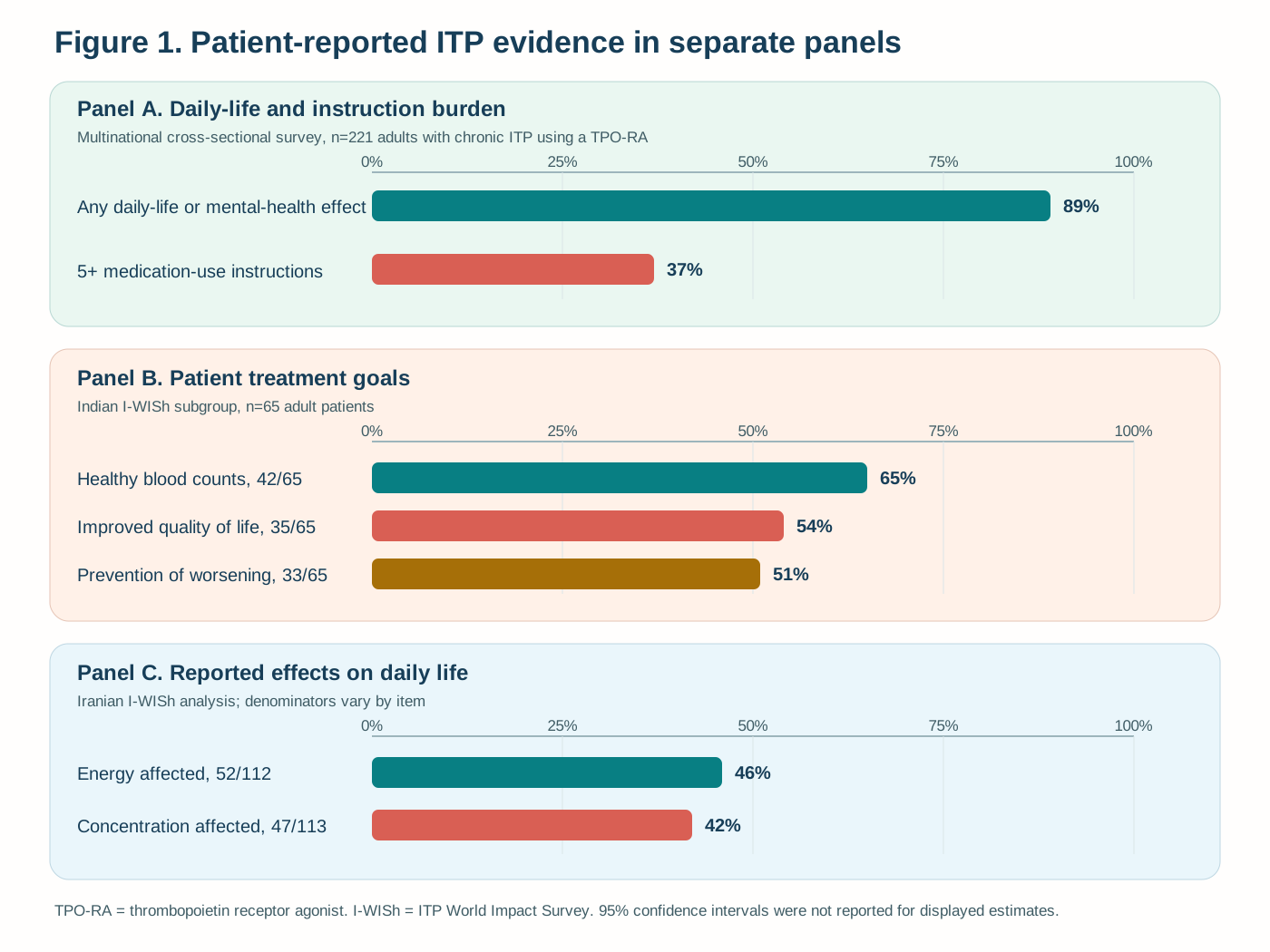
Fatigue deserves explicit operational attention. In a multicenter study, 191 children with chronic ITP and 248 caregivers completed the Pediatric Quality of Life Inventory Multidimensional Fatigue Scale. Patients and caregivers reported significantly worse fatigue than healthy comparison groups, with sleep and rest fatigue especially affected across age groups.18 A smaller 2024 study of 30 children found parent-rated quality-of-life scores lower than child self-ratings and highlighted the need for parent information and support.11 These studies do not define a universal prevalence of fatigue, but they support routine visibility of symptoms and caregiver burden in the pathway.
A validated patient-reported measure can help structure that conversation. The ITP Life Quality Index was evaluated using 1,507 responses from 13 countries. The 10-item instrument showed high internal consistency, with a reported Cronbach alpha of 0.90, and scores correlated with fatigue and emotional well-being.17 A measurement tool is not an intervention by itself. Leaders should specify who reviews the result, what response is expected, how urgent concerns are routed, and whether the tool is accessible in the languages and modes the organization serves.
Resource use is another part of the case. A European mixed-methods study used interviews with 23 physicians and 12 payers, a survey of 113 physicians, and published evidence to characterize care and resource use in six countries. The authors reported that rescue therapies and hospital services accounted for much of the resource use associated with bleeding events.19 Industry relationships and country-specific assumptions limit direct transfer to a local business case. The executive implication is narrower: emergency readiness, access, adherence support, and avoidable fragmentation should be assessed together rather than in separate departmental budgets.
Closed-loop reliability
A possible platelet disorder needs an owned route, not a loose referral.
Design begins at a real entry point. That could be an abnormal laboratory result in primary care, a bleeding presentation in urgent or emergency care, a hospital discharge, a pediatric referral, a pregnancy-related consultation, or follow-up for established ITP. The selected entry point needs an approved eligibility definition, a responsible role, a response time, a minimum handoff dataset, and a documented fallback when the preferred destination cannot accept the patient.
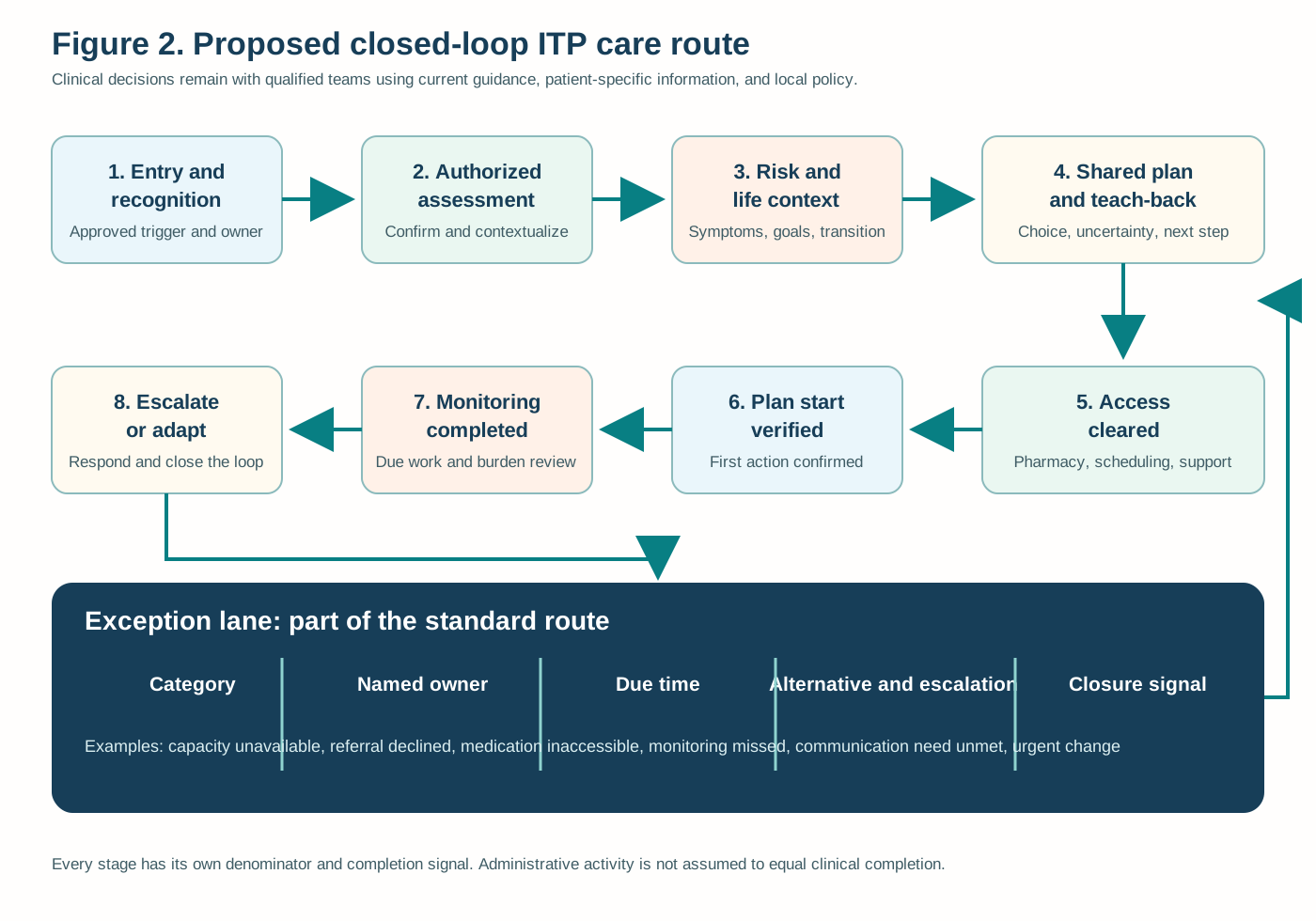
The route should distinguish administrative completion from clinical completion. An order placed is not a specimen collected. A result posted is not a contextual review. A referral sent is not an appointment accepted. A prescription transmitted is not a plan started. A follow-up scheduled is not a follow-up completed. A patient portal message is not confirmed understanding. Every stage needs its own completion signal and denominator.
Figure 2. Proposed closed-loop ITP care route
Define the minimum viable handoff
The receiving team should know why the person is being handed off, what has already been assessed, what symptoms or contextual factors require attention, what information is still missing, which communication and access needs exist, and who remains responsible until acceptance. The sender should receive a clear acceptance, redirection, or escalation signal. If the receiving service declines or capacity is unavailable, the route should not return the problem to a generic queue.
Diagnostic discipline belongs inside this handoff. A retrospective pediatric study of 243 patients examined bone marrow aspiration practices over 27 years. As guidance changed, aspirations at diagnosis and procedures performed without indication declined. The procedure became decisive after initial presentation in 2 patients, reported as 0.58%, when subsequent findings raised concern for bone marrow failure.8 This single-center history does not dictate local testing. It illustrates why leaders should measure guideline-concordant work, document the reason for deviation, and preserve a route for reassessment when the clinical picture changes.
The exception path is part of the standard. Each exception should have a category, accountable owner, due time, interim safety action where authorized, next available option, escalation rule, and closure definition. An operational view should keep aged exceptions visible without exposing unnecessary patient information. The purpose is not surveillance for its own sake. It is to prevent ambiguity from becoming delay.
Patient burden and shared decisions
A clinically reasonable plan can still fail if it is not usable.
Patient-centered ITP care requires more than adding a satisfaction survey. A 2024 narrative review described health-related quality-of-life measures and shared decision-making as ways to bring the impact of ITP into treatment conversations.4 The organization should therefore define what a complete decision episode contains: the person’s goals and concerns, the choices considered, material benefits and burdens, what remains uncertain, the chosen next step, and the plan for reassessment.
The process should not presume that every patient wants the same amount of detail, the same communication mode, or the same role for family and support people. It should offer qualified interpretation, plain-language explanations, teach-back when appropriate, interpreter services, accessible formats, and a way to include a chosen support person with consent. The record should capture whether the next step is understood without turning a sensitive conversation into a checkbox exercise.
Platelet count and bleeding history are important, but they do not fully determine experience or risk. A 2024 review emphasized that bleeding events cannot be completely predicted by platelet count and that adults with ITP may also face thrombotic risk. The authors called for individualized assessment and noted gaps in validated decision tools for several scenarios.5 That uncertainty argues for clearer governance, not for a one-size-fits-all organizational rule.
Treatment instructions should be tested against daily life. Food timing, appointment frequency, administration mode, laboratory monitoring, transportation, work schedules, caregiving, cost, and technology access can all shape whether a plan is feasible. The 2025 multinational survey found substantial instruction burden and reported effects on travel, eating, sleep, exercise, and mental health.1 A small three-country survey of 46 adults found that bleeding reports were lower at the time of the survey than at diagnosis, while fatigue remained at approximately 40% at both points. Forty-one percent reported worry or anxiety about their condition.16 The sample was small and treatment groups were not randomized, so the study cannot determine comparative effectiveness. It does show why clinical response and daily-life burden should be reviewed separately.
Support should be designed as a service, not left to chance. The organization can offer a named contact for navigation, medication education within authorized scope, refill and authorization support, a non-digital route, financial counseling, transportation options, and connection to reputable patient resources. Leaders should examine how much work the system transfers to the patient and family, especially when instructions span several departments.
Urgency, special situations, and transitions
High-consequence moments require pre-authorized coordination.
Emergency readiness should be designed before a critical bleed occurs. A 2025 systematic review identified 49 eligible studies describing 112 people with critical bleeds, including 66 children and 36 adults, with age unreported for 10. The reports contained 29 treatment combinations, and the authors judged the evidence for individual treatments to be of very low quality. Reported mortality was 30.6% among adults and 19.7% among children in the included cases.2 These figures come from a highly selected, heterogeneous evidence base and should not be used to estimate risk for the general ITP population. They do support simulation, role clarity, rapid consultation, medication and blood-product readiness within policy, and post-event review.
Other scenarios also expose coordination gaps. Pregnancy, procedures, trauma, anticoagulant or antiplatelet needs, older age, pediatric observation, and transition from pediatric to adult services require collaboration across specialties. A survey of 38 ITP specialists and 46 general hematologist-oncologists found wide variation in platelet thresholds proposed for hypothetical antithrombotic scenarios, despite a common modal response in many scenarios. The authors emphasized the lack of direct evidence.21 The executive response should be an approved consultation and escalation process, not a locally invented universal number.
Pediatric pathways illustrate the importance of separating bleeding risk, disease course, family understanding, and treatment intensity. Italian consensus recommendations address bleeding classification, risk evaluation, treatment, emergencies, follow-up, vaccination, and quality of life, while acknowledging that robust randomized evidence is limited.7 Adapted pediatric guidance from Egypt similarly emphasizes complete clinical assessment, blood count, expert blood-smear review, exclusion of secondary causes, and implementation tools suited to local resources.9 A prospective Italian cohort of 205 children found that more than three-quarters received platelet-enhancing therapy at diagnosis and that nearly 80% of those with mild symptoms were treated. Initial treatment did not affect chronicity at 12 months.20 That study does not establish what another organization should do. It shows why practice variation, rationale, and outcomes should be visible to pediatric governance.
Work-system failure review
Investigate conditions before blaming people.
When the ITP route fails, leaders should ask what made the desired action difficult. Was the entry criterion unclear? Did the laboratory result reach an unowned inbox? Was specialist capacity unavailable? Did a referral lack required information? Did the plan create food, travel, cost, or schedule barriers? Did the patient receive conflicting instructions? Did pediatric and adult teams assume the other service owned the transition? Did the experience measure create data without a response workflow?
Figure 3. Qualitative fishbone for an incomplete ITP care route
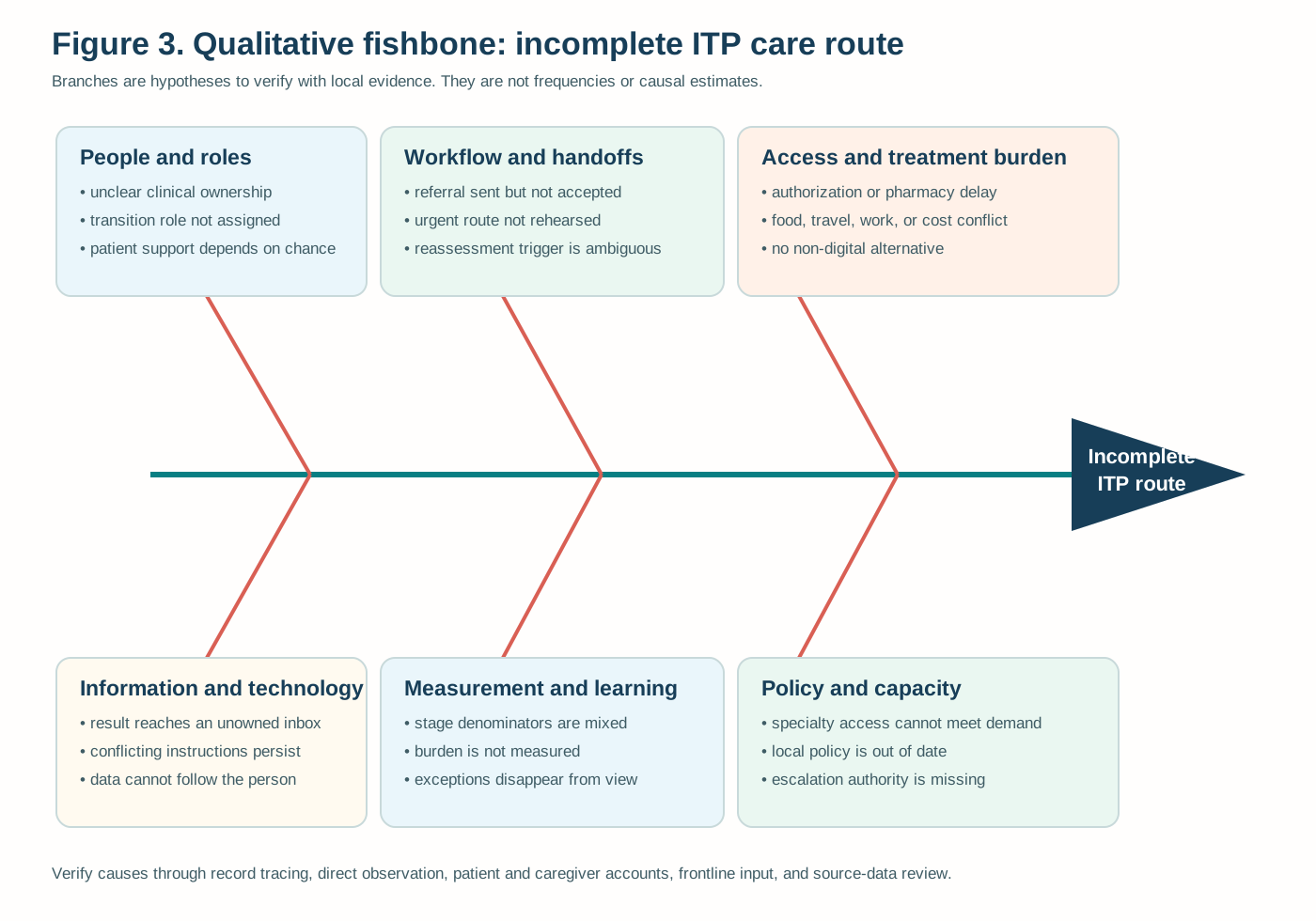
A useful review pairs pathway data with direct observation and structured conversations. Trace a small sample from entry to follow-up. Compare the record with what patients, caregivers, clinicians, pharmacists, laboratory staff, and schedulers say actually happened. Verify whether the failure is isolated, predictable, or produced by the design. Then correct the condition, test the correction, and monitor whether it holds. Avoid converting every failure into more training. Training cannot repair missing capacity, ambiguous ownership, incompatible technology, or an inaccessible plan.
Operating system
Build one accountable network around the person.
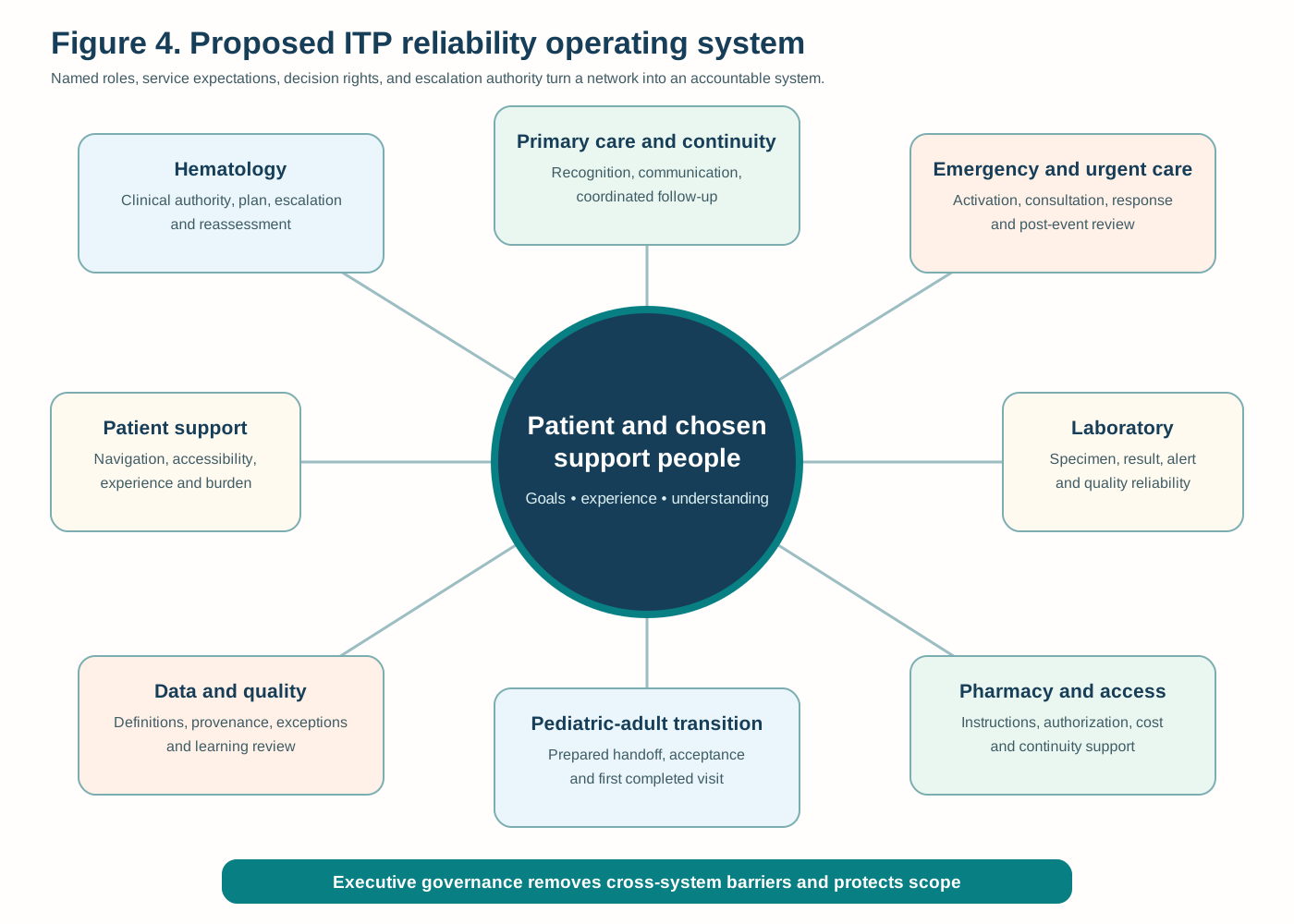
A dependable route needs distributed expertise and explicit accountability. The patient and chosen support people belong at the center. Hematology supplies clinical authority. Primary care supports continuity and recognition. Emergency and urgent services need an authorized consultation and escalation path. Laboratory operations protect specimen, result, and communication reliability. Pharmacy and access teams make the selected plan obtainable. Pediatric and adult services manage transition. Data and quality teams define measures and verify source integrity. Patient-experience and community partners test understanding and burden. An executive sponsor removes barriers that no individual team can solve.
Figure 4. Proposed ITP reliability operating system
Data architecture should follow the route. A 2024 review described ITP as heterogeneous and its evolution as unpredictable, while noting major gaps in predicting response to treatment.10 That uncertainty makes disciplined definitions more important. Leaders need a controlled data dictionary, stage-specific denominators, provenance, missingness rules, role-based access, and a correction process. They should not ask a management dataset to produce certainty the clinical evidence does not contain.
Governance should protect clinical boundaries. A management dashboard must not calculate or display an unvalidated treatment recommendation. A patient-reported score must not trigger clinical action without an approved workflow. Automated flags need monitoring for false positives, false negatives, alert burden, and differential performance. Every public claim should state the population, period, source, and limitation. The purpose of measurement is to support safer work and shared learning.
Measurement architecture
Use a scorecard that keeps stages and burdens separate.
One completion rate cannot represent the full pathway. The scorecard should distinguish entry, acceptance, clinical review, shared planning, access, start, monitoring, urgent escalation, experience, and exceptions. Every measure needs a numerator, denominator, source, owner, cadence, and interpretation limit. External study values should not become local targets without a separate governance process.
Figure 5. Proposed ITP care-route scorecard
| Measure | Numerator | Denominator | Source and owner | Cadence | Interpretation limit |
|---|---|---|---|---|---|
| Entry recognized | Events meeting the approved local entry definition | Events screened for the selected entry point | EHR and laboratory logic; clinical governance | Monthly | Recognition is not diagnosis |
| Handoff accepted | Eligible handoffs acknowledged by the responsible service in the approved time | Eligible handoffs sent | Referral platform; route owner | Weekly | Acceptance is not completed assessment |
| Contextual review completed | Accepted cases with documented authorized review | Accepted cases due for review | Clinical record; clinical authority | Weekly and monthly | Documentation cannot establish clinical quality by itself |
| Shared plan documented | Decision episodes with goals, options, choice, and next step documented | Reviewed cases requiring a decision | EHR and audit; clinical governance | Monthly | Documentation does not prove understanding |
| Access cleared | Chosen plans with required authorization, pharmacy, scheduling, or support barriers resolved | Chosen plans requiring access work | Pharmacy and access records; access owner | Weekly | Clearance does not prove plan start |
| Plan started | Chosen plans with a verified first action | People choosing a plan | Clinical, pharmacy, or referral record; route owner | Weekly and monthly | A prescription or order alone is not a start |
| Monitoring completed | Due monitoring completed in the locally approved window | People with monitoring due | Laboratory and EHR; clinical owner | Monthly | Timing depends on the authorized plan |
| Urgent route response | Urgent events receiving the approved response within the defined time | Urgent events meeting the local activation definition | Emergency audit; clinical authority | After event and quarterly | Small counts need privacy protection and qualitative review |
| Understanding and burden | Respondents meeting defined understanding and usability criteria | Eligible respondents offered the assessment | Experience tool; patient-partnership lead | Quarterly | Response bias, mode, and wording affect results |
| Transition completed | Eligible transitions with receiving-team acceptance and first completed visit | People entering the approved transition window | Pediatric and adult records; transition owner | Monthly or quarterly | Transfer documents alone do not close transition |
| Unresolved exceptions | Open exceptions past the approved due time | All logged route exceptions | Exception log; executive sponsor | Weekly | Depends on consistent classification and logging |
| Equity review | Stage-specific numerator for the selected measure | Its matching stage-specific denominator | Validated linked data; quality team | Quarterly | Observed differences do not establish cause |
A standardized pediatric clinical assessment and management plan demonstrates why balancing measures matter. In 71 newly diagnosed children, a revised approach using bleeding-risk classification increased observation from 40% to 74%, with no bleeding complications reported in the study.22 This single-center report does not set a target for other organizations. It shows that a pathway change should be evaluated with both the intended process measure and a safety measure.
Executive agenda
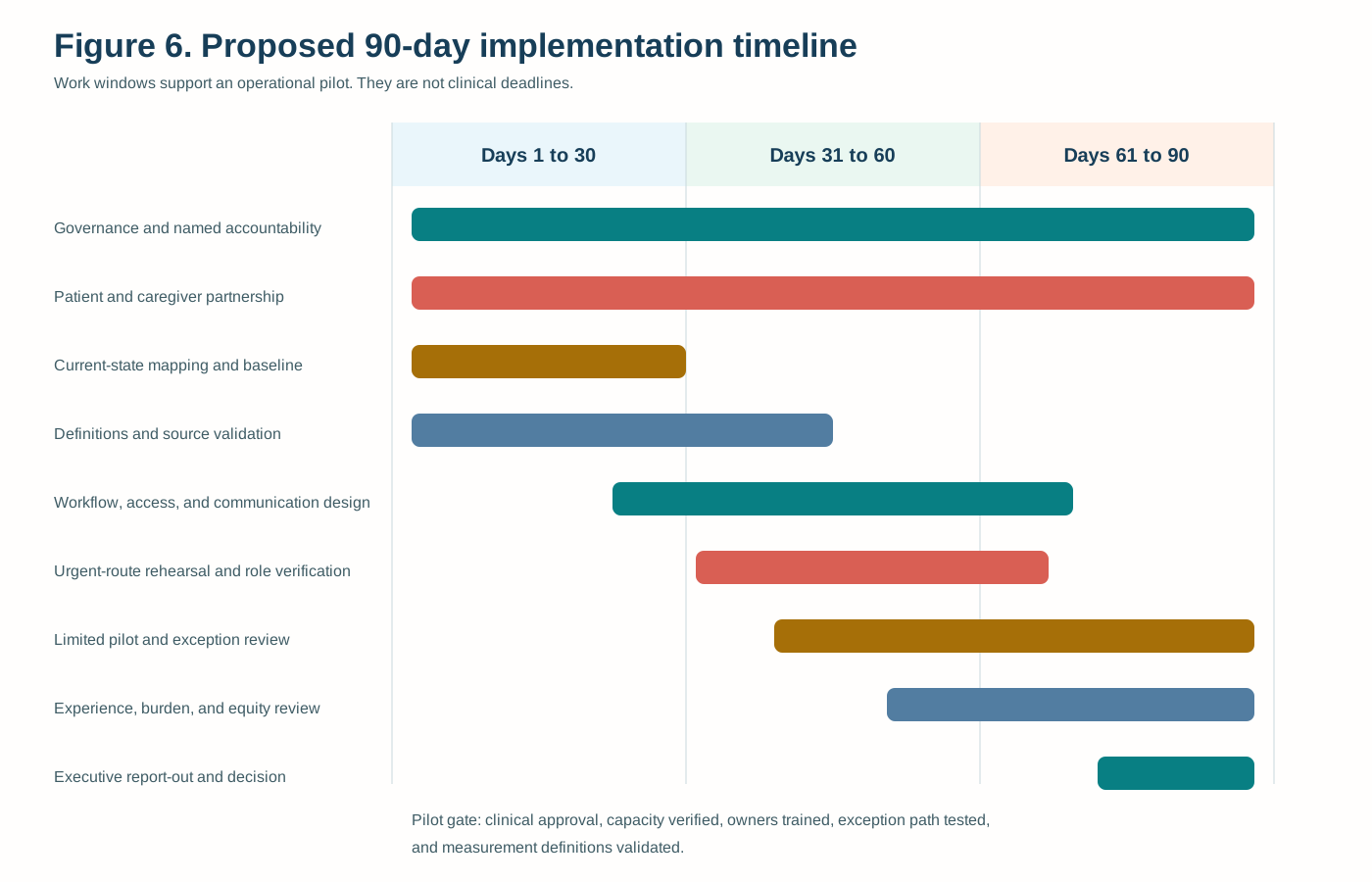
A focused 90-day test can make the route visible.
Days 1 to 30
Define and verify
- Name the executive sponsor, clinical authority, operational owner, patient-partnership lead, and selected entry point.
- Map the current route with patients, caregivers, hematology, primary care, emergency care, laboratory, pharmacy, scheduling, access, and data teams.
- Define each stage, denominator, completion signal, exception category, owner, and due time.
- Validate the eligible-population logic and a baseline sample against source records.
- Confirm service capacity before publishing a call to action.
Days 31 to 60
Build and rehearse
- Create the minimum viable handoff and receiving-service acknowledgment.
- Test plain-language communication, interpreter access, teach-back, chosen-support participation, and a non-digital route.
- Rehearse urgent escalation, unavailable specialty capacity, access denials, missing laboratory work, and failed follow-up.
- Configure a small exception log and verify privacy, provenance, and ownership.
- Begin a limited pilot with frequent operational review.
Days 61 to 90
Learn and decide
- Review stage-specific conversion, elapsed time, burden, experience, balancing measures, and aged exceptions.
- Trace failures with source records, direct observation, and patient or caregiver accounts.
- Correct verified work-system conditions and test whether the correction holds.
- Report limitations, capacity, costs, unintended effects, and unresolved risks.
- Decide to adapt, expand, pause, or stop through clinical and executive governance.
Figure 6. Proposed 90-day implementation timeline
Executive review should include more than a dashboard. Ask whether the route is safer and easier to use, whether staff workload is sustainable, whether the clinical authority accepts the workflow, whether exceptions are closing, whether patients understand what to do next, and whether any group experiences a different rate of loss at a specific stage. If the evidence cannot support a causal claim, report an association or operational observation. If the data are incomplete, say so.
Peer-reviewed evidence portfolio
References
Newest first within the verified portfolio. Study designs and limitations are described in the article.
- Zwaginga JJ, et al. Impact of primary chronic immune thrombocytopenia and thrombopoietin receptor agonists treatment instructions on daily living: results of a multinational cross-sectional survey. Patient Preference and Adherence. 2025;19:2445-2458. doi:10.2147/PPA.S505337.
- Chowdhury SR, et al. Treatment of critical bleeds in patients with immune thrombocytopenia: a systematic review. European Journal of Haematology. 2025;114(3):458-468. doi:10.1111/ejh.14351.
- Mjali A, et al. Iraqi consensus recommendations for the diagnosis and management of immune thrombocytopenia. Hematology. 2025;30(1):2555045. doi:10.1080/16078454.2025.2555045.
- Maitland H, Lambert C, Ghanima W. Patient-centric care in primary immune thrombocytopenia: shared decision-making and assessment of health-related quality of life. Hematology. 2024;29(1):2375177. doi:10.1080/16078454.2024.2375177.
- Lambert C, Maitland H, Ghanima W. Risk-based and individualised management of bleeding and thrombotic events in adults with primary immune thrombocytopenia. European Journal of Haematology. 2024;112(4):504-515.
- González-López TJ, et al. Real-life clinical practice in Spain in the setting of new drug availability for ITP treatment: a Delphi-based Spanish expert panel consensus. Platelets. 2024;35(1):2336104. doi:10.1080/09537104.2024.2336104.
- Russo G, et al. Recommendations for the management of acute immune thrombocytopenia in children: a Consensus Conference from the Italian Association of Pediatric Hematology and Oncology. Blood Transfusion. 2024;22(3):253-265. doi:10.2450/BloodTransfus.501.
- de Pablo JG, et al. Diagnostic yield of bone marrow aspiration in paediatric primary immune thrombocytopenia: impact of evolution and adherence to medical guidelines over the last 25 years. European Journal of Pediatrics. 2024;183(8):3445-3452. doi:10.1007/s00431-024-05583-7.
- Mokhtar G, et al. Egyptian pediatric guidelines for the management of children with isolated thrombocytopenia using the adapted ADAPTE methodology: a limited-resource country perspective. Children. 2024;11(4):452. doi:10.3390/children11040452.
- Mititelu A, et al. Current understanding of immune thrombocytopenia: a review of pathogenesis and treatment options. International Journal of Molecular Sciences. 2024;25(4):2163. doi:10.3390/ijms25042163.
- Özbay T, Karapinar TH. An evaluation on the quality of life in children with immune thrombocytopenia. Forbes Journal of Medicine. 2024;5(3):186-192. doi:10.4274/forbes.galenos.2024.84803.
- Harris EM, et al. Utilization of an ITP quality improvement pathway improves adherence to management guidelines. Pediatric Blood & Cancer. 2023;70(3):e30074. doi:10.1002/pbc.30074.
- Eshghi P, et al. Patient and physician perspectives in the management of immune thrombocytopenia in Iran: responses from the ITP World Impact Survey. Clinical and Applied Thrombosis/Hemostasis. 2023;29:10760296221130335. doi:10.1177/10760296221130335.
- Liu XG, Hou Y, Hou M. How we treat primary immune thrombocytopenia in adults. Journal of Hematology & Oncology. 2023;16(1):4.
- Chakrabarti P, et al. How do patients and physicians perceive immune thrombocytopenia as a disease? Results from Indian analysis of ITP World Impact Survey. Journal of Patient-Reported Outcomes. 2022;6(1):1-14. doi:10.1186/s41687-022-00429-y.
- Rovó A, et al. Real-world impact of primary immune thrombocytopenia and treatment with thrombopoietin receptor agonists on quality of life based on patient-reported experience. PLoS One. 2022;17(4):e0267342. doi:10.1371/journal.pone.0267342.
- Viana R, et al. Psychometric evaluation of ITP Life Quality Index in a global survey of patients with immune thrombocytopenia. Advances in Therapy. 2021;38(12):5791-5808.
- Lassandro G, et al. Fatigue perception in a cohort of children with chronic immune thrombocytopenia and their caregivers using the PedsQL MFS. Pediatric Blood & Cancer. 2021;68(3):e28840. doi:10.1002/pbc.28840.
- Pogna EA, et al. Characterization and treatment of immune thrombocytopenia in Europe: a qualitative observational study. Hematology. 2021;26(1):860-869. doi:10.1080/16078454.2021.1992945.
- Parodi E, et al. Management strategies for newly diagnosed immune thrombocytopenia in Italian AIEOP Centres: do we overtreat? Data from a multicentre, prospective cohort study. Blood Transfusion. 2020;18(5):396-405. doi:10.2450/2020.0041-20.
- Pishko AM, et al. Management of antithrombotic therapy in adults with immune thrombocytopenia: a survey of ITP specialists and general hematologist-oncologists. Journal of Thrombosis and Thrombolysis. 2018;46(1):24-30. doi:10.1007/s11239-018-1649-7.
- Schoettler ML, et al. Increasing observation rates in low-risk pediatric immune thrombocytopenia using a standardized clinical assessment and management plan. Pediatric Blood & Cancer. 2017;64(5). doi:10.1002/pbc.26303.
Scope note: This executive brief supports healthcare management, quality improvement, and governance. It does not provide personal medical advice, establish a diagnosis, define an emergency threshold, or recommend an individual treatment. Qualified clinicians should use current guidance, patient-specific information, shared decision-making, and local policy.