


2026 Health Observance Executive Brief
Polycystic Ovary Syndrome Month 2026: Build a Reliable Path from Awareness to Action
PCOS awareness becomes accountable when people can move from a concern or risk signal to an accurate assessment, understandable information, shared priorities, coordinated reproductive, metabolic, and psychological care, and continuing support across life stages without becoming the manager of a fragmented system.
Can your organization show, with an explicit denominator and a named owner, whether every person entering a selected PCOS route reaches an acknowledged next action, or a documented exception with active follow-up?
Leadership signal
PCOS Month should reveal whether the organization can recognize a lifelong condition, coordinate multiple domains of care, and keep ownership visible.
Polycystic ovary syndrome, commonly called PCOS, is not only a fertility issue and not only a metabolic issue. It can involve menstrual and ovulatory function, androgen-related features, cardiometabolic risk, sleep, emotional wellbeing, body image, pregnancy, and health needs that change from adolescence through and after the reproductive years. The 2023 international evidence-based guideline places this breadth at the center of assessment and management. It also reports that diagnosis remains delayed, patient needs are not adequately met, and evidence-practice gaps persist.1
The management problem is therefore larger than publishing an awareness message. People may enter through primary care, pediatrics, adolescent medicine, gynecology, dermatology, endocrinology, behavioral health, sleep services, nutrition, weight-management services, fertility care, obstetrics, or an online search. Each point may address one concern while missing the whole pattern. Referral boundaries, unclear criteria, limited appointment capacity, inconsistent counseling, weight stigma, and weak transitions can require the person to assemble a care model that the organization has never defined.
Executives should not use a management pathway to prescribe a universal test, medication, diet, weight target, fertility plan, or visit schedule. Qualified clinicians and patients make those decisions using current evidence, individual findings, preferences, benefits, risks, culture, and local policy. Leadership is responsible for the operating conditions around those decisions: a usable entry point, role clarity, timely acknowledgment, accurate information, coordinated service connections, shared decision-making, exception management, and learning from routes that do not close.
Replace campaign activity with route reliability.
Events, social impressions, webpage visits, handouts, and referrals sent show that an observance occurred. They do not show whether people reached an appropriate assessment, received information they could use, understood the agreed plan, obtained an accepted service connection, or knew who owned the next step. Select a bounded route and reconcile what happened to everyone who entered it.
Use a life-course view.
Adolescents need careful diagnostic practice and transition planning. Adults may need coordinated reproductive, metabolic, psychological, and symptom-focused care. Pregnancy can require additional risk recognition. People after menopause still need understandable information about continuing health considerations. A route that ends when fertility treatment ends is incomplete.
Select one PCOS access or coordination route, define the denominator and closure state, involve people who use the route, and correct one verified operating barrier that causes delay, fragmentation, stigma, or loss of follow-through.
Evidence with transfer limits
Build from the best available evidence, but keep study design, sample, uncertainty, setting, and applicability attached to every claim.
Use the international guideline as the clinical foundation
The 2023 update involved 39 professional and consumer organizations covering 71 countries, 58 prioritized clinical questions, 52 systematic reviews, and 3 narrative reviews. It produced 77 evidence-based recommendations, 54 consensus recommendations, and 123 practice points.1 Local adoption still requires governance, education, and workflow design.
Listen for unmet care needs
A 2026 qualitative systematic review included seven studies and identified responsive care, condition management, and impact on self-image as central themes. The authors highlighted multidisciplinary clinics, online support, and comprehensive patient-centered plans.2 Qualitative synthesis explains experience, not a universal service bundle.
Connect implementation to resources
A 2026 implementation review used CFIR and COM-B frameworks to examine lifestyle-management barriers and facilitators. It reported limited high-quality evidence for specific recommendations and described unmet health needs, weight-focused care, and inadequate professional support as implementation concerns.3
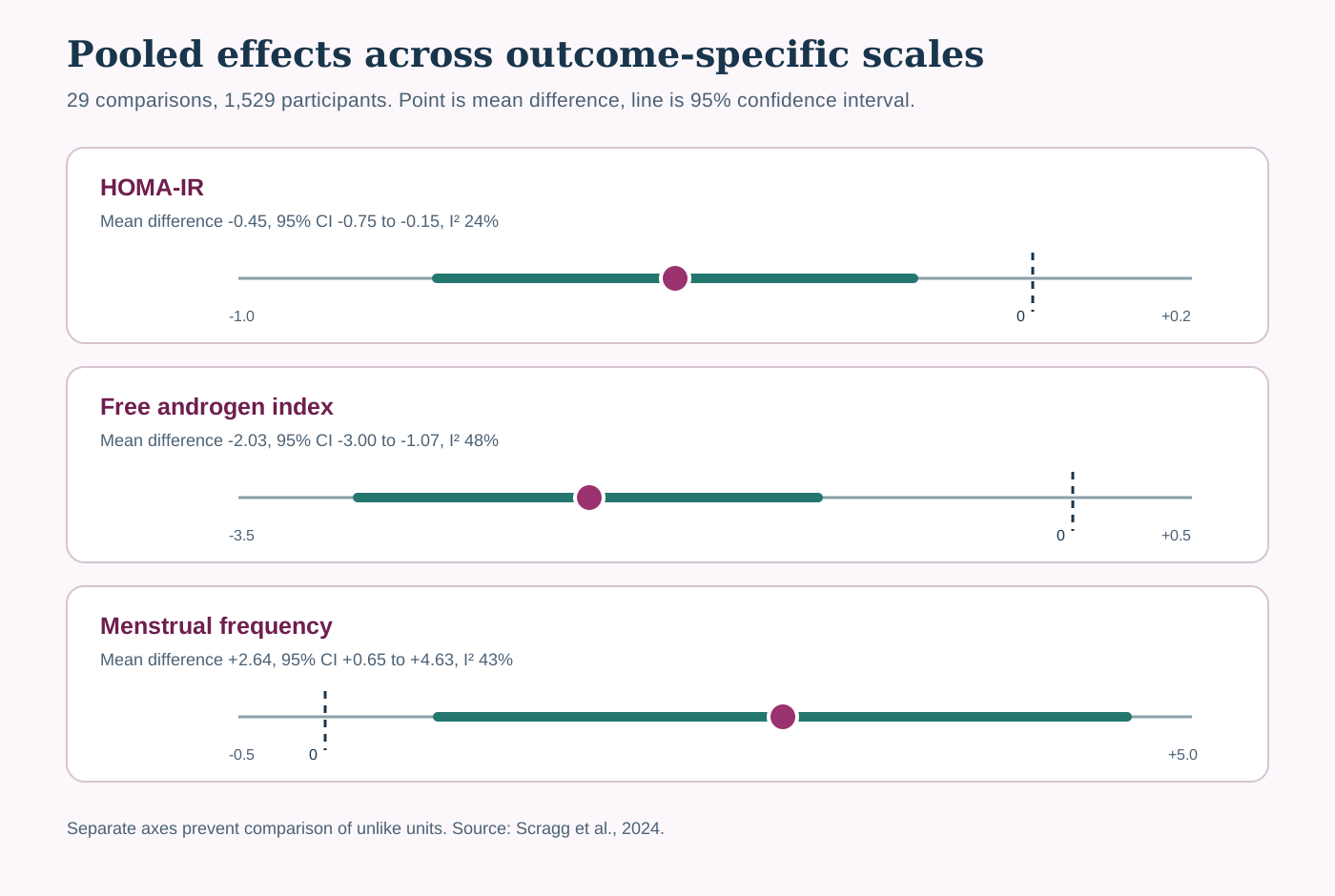
Figure 1. Outcome-specific pooled mean differences from a 2024 systematic review of weight-loss interventions
The guideline is broad, but implementation is local.
The international guideline used AGREE II-compliant development, GRADE methods, multidisciplinary panels, direct consumer engagement, independent methodological review, and government approval. It refined diagnostic criteria, simplified the adult diagnostic algorithm, added anti-Müllerian hormone as an alternative to ultrasound for adults only, strengthened attention to metabolic and cardiovascular risk, sleep apnea, psychological features, pregnancy outcomes, emotional wellbeing, quality of life, and weight stigma, and emphasized shared decision-making and improved models of care.1 The authors also judged the evidence to be generally low to moderate quality. Leaders should not turn recommendation counts into certainty that the evidence does not provide.
A 2025 Latin American consensus reviewed 33 recommendations from the international guideline. Twenty-five achieved strong agreement in the first voting round, and the remaining recommendations reached near-unanimous support after discussion. The consensus also identified cost and accessibility as implementation barriers.14 That finding illustrates an important distinction. Clinical agreement does not automatically create workforce capacity, affordable services, laboratory access, referral acceptance, or patient-facing information. The operating plan must state what can be done in primary care, what requires specialist input, how exceptions are managed, and what alternatives exist when the preferred service is unavailable.
Weight-related care requires evidence, consent, and protection from stigma.
The systematic review by Scragg and colleagues compared interventions intended to reduce weight with usual care or lower-intensity interventions. It included behavioral programs, glucagon-like peptide-1 agonists, and other medications. Pooled analyses found improvements in selected metabolic, hormonal, and menstrual outcomes, but the review also reported risk-of-bias concerns and did not establish evidence for every outcome.7 A dashboard that displays only kilograms lost would miss whether the person’s goals, symptoms, metabolic health, emotional wellbeing, adverse effects, access burden, and treatment preferences were addressed.
The guideline calls for awareness of weight stigma, and recent qualitative work shows why. In Trinidad and Tobago, interviews with 24 women identified fertility and wellbeing, weight gain and weight stigma, and bodily changes and surveillance as interconnected themes. Participants described stigma from family, healthcare professionals, and colleagues.15 This small qualitative study cannot quantify prevalence or represent every culture. It can inform a direct operational test: review counseling language, intake forms, equipment, referral practices, and patient feedback for avoidable shame, assumptions, and barriers.
Psychological health belongs inside the care route.
An overview of ten systematic reviews found that reported prevalence varied widely by condition definition and screening instrument. Pooled prevalence was 16.9% for unspecified anxiety disorders and 34.8% for depressive disorders. Symptom estimates varied across instruments, including 32.4% to 69.4% for anxiety symptoms and 31.0% to 46.0% for depression symptoms.8 These ranges are not interchangeable, and a screening score is not a diagnosis. The management implication is to choose a validated approach, define who reviews the result, establish a response route, protect privacy, and ensure that a positive screen does not become unowned data.
A 2025 cross-sectional study of 587 participants in Austria, Germany, and Switzerland reported substantial body-image concerns and associations with health-related quality of life.16 Another study of 1,926 self-identified women with PCOS found low mean satisfaction with counseling, 35.1 on a 0-to-100 scale, with the lowest scores for aesthetic concerns. Body image dissatisfaction, hirsutism, menstrual irregularity, emotional symptoms, and care satisfaction require thoughtful interpretation because the sample was self-identified and cross-sectional.9 Together, the studies support care models that treat emotional and appearance-related concerns as legitimate health needs rather than peripheral issues.
Sleep concerns also require an owned route when clinically indicated. A prospective cohort of 360 infertile patients with PCOS who were preparing for in vitro fertilization reported obstructive sleep apnea in 30.0% of participants and found an association between sleep apnea and lower live-birth rates after adjustment.17 This single fertility-center cohort does not estimate prevalence in all people with PCOS and does not prove that sleep apnea caused the reproductive outcome. It supports reliable symptom recognition, appropriate assessment, communication across sleep and reproductive services, and avoidance of unowned screening results.
Pregnancy risk information should travel with the patient.
A 2024 systematic review and meta-analysis included 104 studies and 106,690 pregnancies with and without PCOS. It found higher odds of miscarriage, gestational diabetes, gestational hypertension, pre-eclampsia, and cesarean section among women with PCOS. Associations remained in analyses matched on age and body mass index and in high-quality studies.10 A companion review included 73 studies and 92,881 offspring and reported higher odds of preterm birth, fetal growth restriction, and low birth weight.11 Meta-analysis does not predict an individual outcome. It supports reliable capture of PCOS status, preconception and antenatal communication, risk-appropriate clinical planning, and transition back to longitudinal care after pregnancy.
Pregnancy is one branch of the route, not the whole identity of the person. Systems should not assume that every person wants pregnancy, is currently planning pregnancy, or defines success through fertility. The route should ask priorities, preserve reproductive autonomy, and coordinate metabolic and psychological care whether or not fertility services are involved.
Information quality and health literacy are operating conditions.
A 2023 cross-sectional study assessed 150 English-language webpages located through common PCOS searches. Commercial webpages represented 57% of the sample. Quality and clarity scores were limited, and the authors concluded that online information quality, accuracy, and readability required improvement.12 Leaders should assume that people arrive with information of mixed quality. An approved resource should explain the condition, uncertainty, care options, questions to ask, urgent or time-sensitive concerns under local policy, and how to obtain help. It should not require advanced literacy or a single digital channel.
A 2026 mixed-methods study included 24 participants before and after menopause. Participants described low to moderate health literacy for managing PCOS-related symptoms, limited understanding of long-term risk, dissatisfaction with provider education, and a desire for life-stage-specific resources and personalized care.4 The sample is small, but the finding provides a practical test: ask people at different life stages to find the next step, explain the plan in their own words, and identify who to contact if the plan stops working.
Closed-loop route
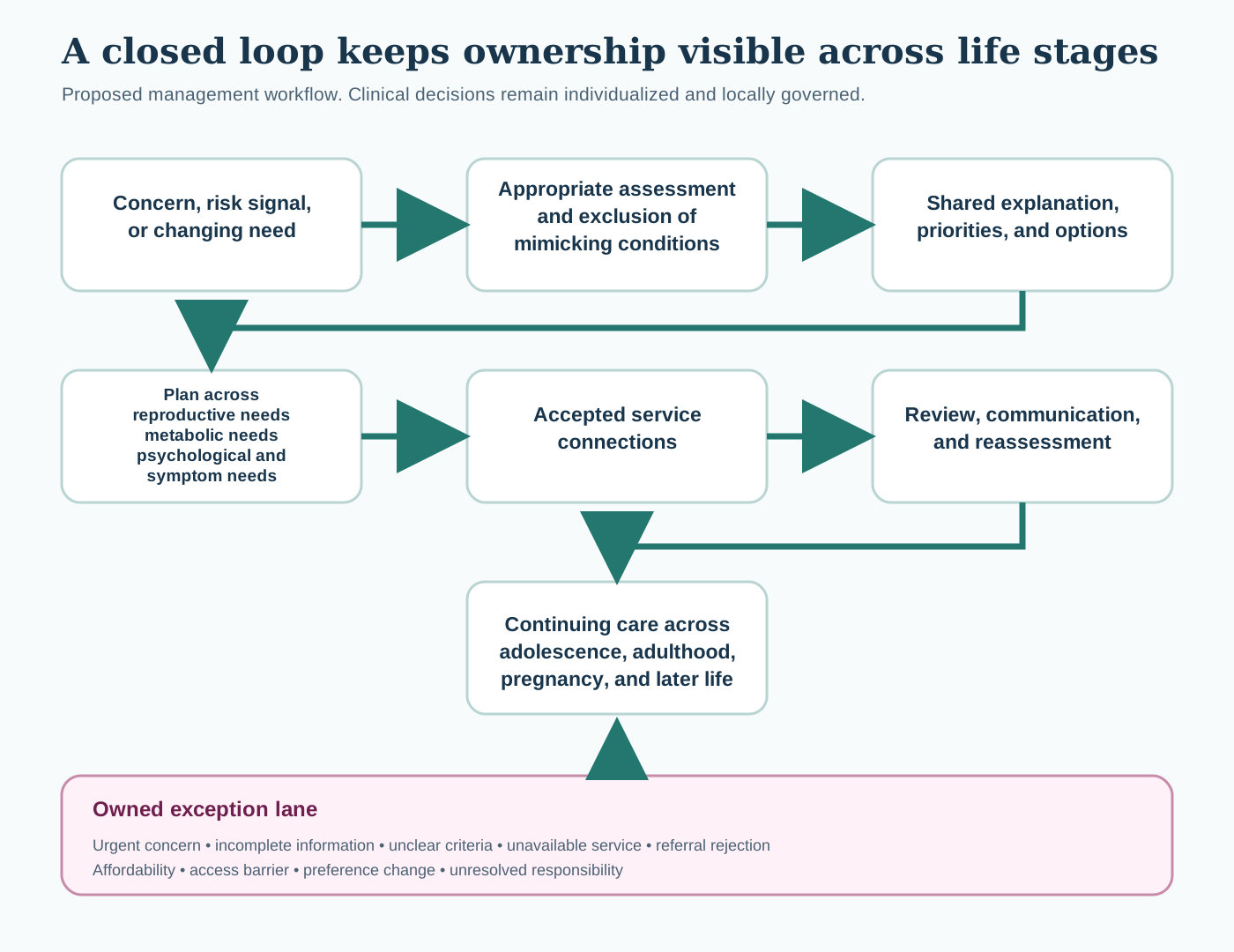
Define completion as an appropriate assessment and shared next action, or a documented exception with active ownership.
A referral sent is not a referral accepted. An educational link is not understanding. A laboratory order is not a reviewed result. A positive screen is not a completed evaluation. A treatment discussion is not shared decision-making unless the person’s goals, preferences, questions, benefits, burdens, and alternatives are visible. The route needs a sending owner, a receiving owner, acknowledgment, current state, due review, exception reason, and evidence of closure.
Figure 2. Proposed closed-loop PCOS assessment and continuing-care route
Start with the concern and the person’s priorities.
Entry may involve menstrual irregularity, androgen-related symptoms, metabolic concerns, fertility questions, pregnancy planning, emotional distress, sleep concerns, a family history, a transition from pediatric to adult care, or a prior diagnosis that has never been integrated into continuing care. The first operational question is who receives the concern and what the organization promises next. The route should not require the person to choose the correct specialty before the system has assessed the need.
Intake should capture what matters to the person, not only what is easiest to code. The concern may be hair growth, acne, cycle unpredictability, body image, difficulty becoming pregnant, fatigue, metabolic risk, anxiety, or uncertainty about long-term health. The person may want information before treatment. A reliable route records the concern, preferred communication method, accessibility and interpretation needs, and the role accountable for acknowledgment.
Protect diagnostic accuracy and uncertainty.
The international guideline refined adult criteria and created adolescent-specific recommendations. For adolescents, the 2025 recommendations state that diagnosis is based on both irregular menstrual cycles, defined by time after menarche, and clinical or biochemical hyperandrogenism after excluding mimicking disorders. Adolescents with only one feature may be considered at risk and need symptom management and ongoing follow-up. Pelvic ultrasound and anti-Müllerian hormone should not be used to diagnose PCOS during adolescence.6
Executives should not translate these clinical details into a self-diagnosis checklist. They should ensure that the route differentiates adult and adolescent processes, makes exclusion and follow-up ownership visible, and prevents an at-risk adolescent from disappearing at the transition to adult care. Diagnostic uncertainty needs a named state, a review trigger, and an explanation the patient can understand.
Build the shared plan across domains without forcing a universal package.
An individualized plan may address reproductive health, metabolic health, psychological wellbeing, sleep, symptom management, lifestyle support, fertility, pregnancy planning, and other needs. Not every person needs every service. The operating system should make the options and responsibilities visible while preserving clinical judgment and patient choice. A cross-level-of-care review published in 2025 argues for clear primary and specialist roles, cardiometabolic screening in general practice, emotional-health screening with onward referral when needed, and escalation for complex reproductive or symptom concerns.5
The plan should identify the current owner, what the person agreed to, which results or symptoms require review, who communicates those results, and how the plan changes when a service cannot be accessed. It should also document a decision not to pursue a service after informed discussion. Choice is not an exception. It becomes an exception only when the system loses the ability to explain what happened or who remains responsible.
Give every service connection a visible state.
Useful states include received, under review, more information requested, accepted, scheduled, started, completed, redirected, deferred, declined after informed discussion, unable to contact, unavailable, and escalated. Define which timestamp counts, what evidence closes the state, and who owns interim support. A specialty appointment three months away does not remove the current owner’s responsibility for communication and appropriate care within role and policy.
Telehealth can extend reach, but it does not solve a weak route by itself. Interviews with 12 women using PCOS telenutrition in China described convenience, reduced travel, privacy, and continuity, alongside concerns about standardized guidance, usability, communication delays, and unmet emotional needs. Participants wanted personalization, integrated tracking, proactive check-ins, and response-time standards.13 The study informs service design, not a universal digital model. Organizations should offer a non-digital path and assess disability access, language, broadband, privacy, and device burden.
Build the exception lane before launch.
Exceptions are predictable. Information may be incomplete. Criteria may be unclear. A receiving service may reject the referral. The needed clinician may not be available. Coverage, cost, transportation, language, disability access, childcare, work schedules, privacy, or digital barriers may block the expected next step. A person may change priorities or prefer another option. The route should assign each exception a reason, current owner, action, review date, and closure evidence.
Do not classify every unfinished route as nonadherence. First ask whether the organization created an understandable and feasible plan, whether the receiving service accepted responsibility, whether the person could obtain the service, and whether a respectful alternative was offered. Review exception patterns by relevant demographic, geographic, payer, language, disability, and access characteristics where lawful, ethical, and statistically appropriate. Small numbers and missing data must remain visible.
Experience and equity
Treat delay, stigma, fragmented information, and invisible work as system signals.
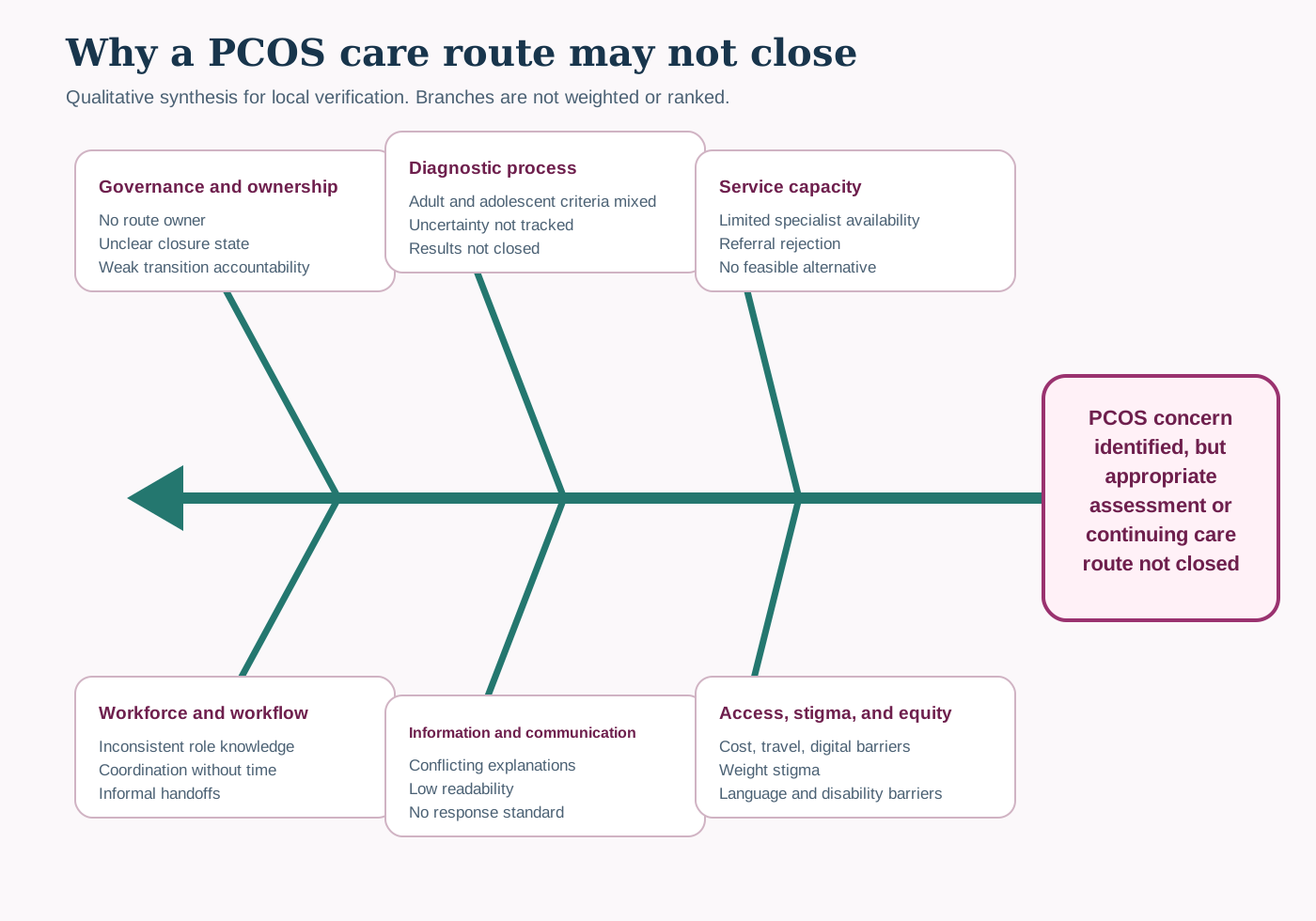
Figure 3. Qualitative fishbone for an unclosed PCOS care route
Patient experience is part of diagnostic and care quality.
The 2026 qualitative systematic review found that women’s experiences centered on responsive care, condition management, and self-image.2 The guideline also states that diagnosis is delayed and needs remain unmet.1 A route can be technically available and still be unusable if people receive conflicting explanations, are told to return only when they want pregnancy, cannot identify who owns metabolic or psychological care, or encounter dismissal of symptoms.
Executives should combine quantitative signals with direct accounts. Map repeat contacts, multiple specialty transfers, referral rejections, long open states, missing result communication, and transitions without a receiving owner. Then listen to people who completed the route, people who remain open, and people who stopped trying. The absence of a complaint does not demonstrate a reliable route. People may leave, seek care elsewhere, or normalize poor experience.
Equity review should test burdens created by the route.
PCOS care may require time away from work, transportation, multiple copayments, laboratory access, repeated histories, digital logging, specialist travel, childcare, and emotional labor. These burdens are not evenly distributed. Regional consensus work identified cost and accessibility barriers.14 Telehealth participants described reduced travel and greater privacy, but also technical and communication barriers.13 A route that works only for people with flexible schedules, reliable broadband, high health literacy, and multiple specialist options is not reliable at the population level.
Use subgroup analysis carefully. Define the denominator, protect privacy, report missingness, suppress unstable small cells, and avoid treating race, ethnicity, income, language, geography, disability, body size, gender identity, or payer as biological shortcuts. The purpose is to detect differences in access, acceptance, wait, experience, and closure that the organization can investigate and address.
Respect terminology and identity during a period of change.
Some 2026 publications use the term polyendocrine metabolic ovarian syndrome, or PMOS, while the observance, the 2023 international guideline, many clinical records, and most patient-facing resources continue to use PCOS.3,18 Organizations should crosswalk terms in search, referral, education, and coding workflows so that a naming transition does not hide records or create a new access barrier. Patient-facing communication should explain the terminology without implying that every organization has already adopted the same name.
Adolescence and menopause expose transition gaps.
Adolescent guidance emphasizes accurate criteria, an at-risk state, longitudinal follow-up, depression and metabolic screening, shared decision-making, and transition to adult care.6 The 2026 health-literacy study found that participants after menopause often did not view PCOS as an ongoing health concern and wanted life-stage-specific support.4 These studies point to two predictable failure points: the handoff from adolescent to adult care and the point at which reproductive care ends. Both need a receiving owner, an updated plan, and a clear explanation of what continues.
Operating system
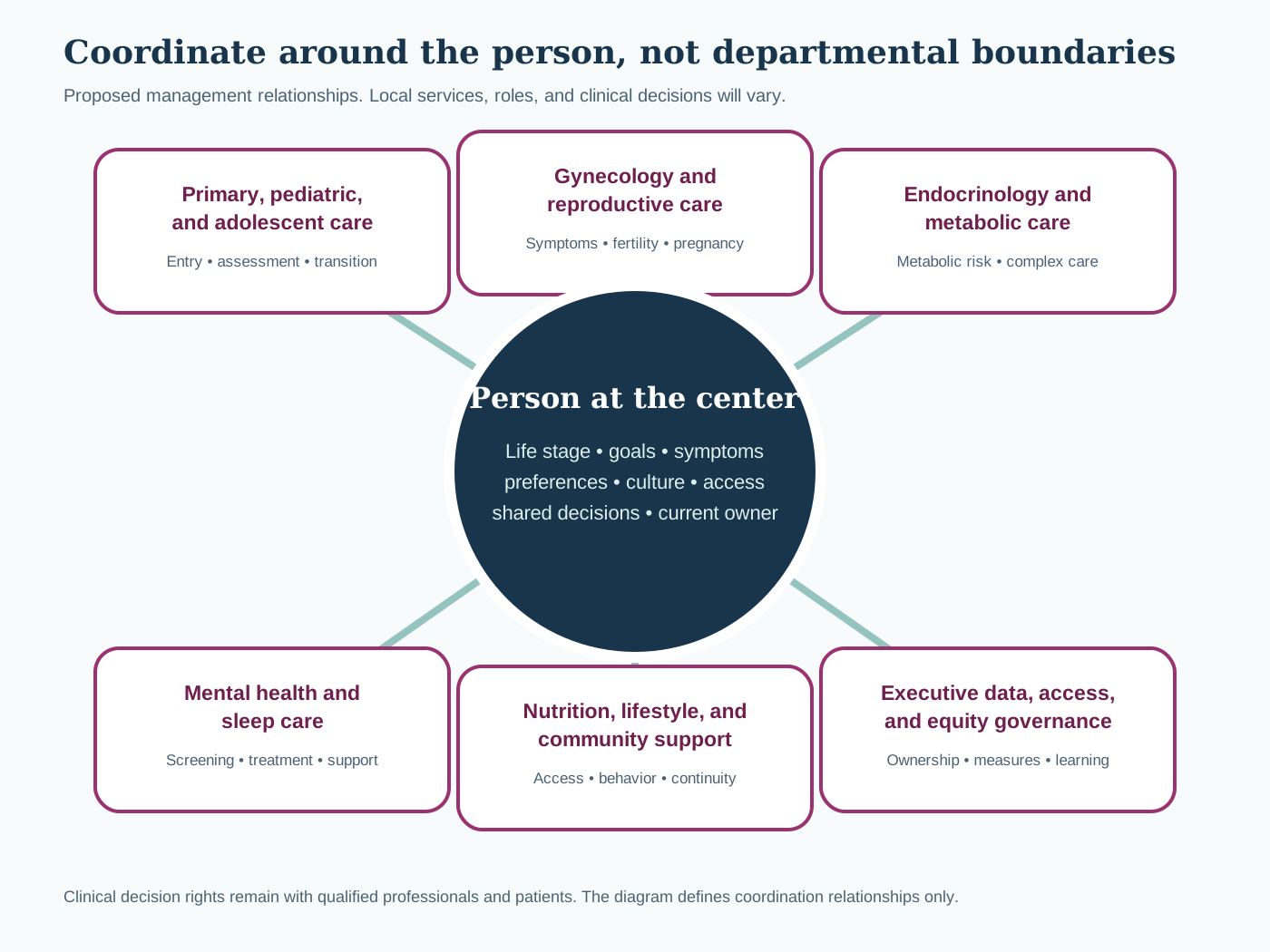
Coordinate the route around the person, not around departmental boundaries.
Figure 4. Proposed patient-centered PCOS operating system
Name one accountable route owner.
Multidisciplinary care does not mean that every service owns the whole route. One operational owner should be accountable for definitions, handoff standards, unresolved states, patient communication, measure review, and improvement. Clinical decision rights remain distributed according to qualifications and policy. The operating owner ensures that distributed expertise does not become distributed ambiguity.
The owner should maintain a service map that identifies entry points, referral requirements, expected acknowledgment, current capacity, alternatives, urgent pathways, escalation contacts, and patient-facing instructions. The map should include external services when the organization depends on them. A directory is not enough. Teams need to know whether the information is current and whether the receiving service actually accepts the referral.
Define primary and specialty responsibilities.
The pragmatic management review argues that many menstrual, metabolic, and emotional-health needs can be assessed or managed in primary care, with referral for complex profiles, fertility needs, or specialty concerns.5 The exact division varies by workforce, training, scope, and local policy. Executives should make the division explicit. If the route depends on informal knowledge held by one clinician or scheduler, it is fragile.
Referral requirements should be co-designed by sending and receiving teams. Identify the minimum necessary information, criteria that trigger clarification, who communicates a rejection, what the sending team does next, and who informs the patient. A referral rejection that returns without a named action is a system defect, not an administrative event.
Govern screening and results as closed-loop work.
The guideline highlights metabolic, psychological, sleep, and pregnancy-related considerations.1 Screening can improve recognition only if leaders also define review, communication, and response. Every locally adopted instrument or test needs a purpose, eligible population, interpretation standard, result owner, response route, escalation process, and privacy control. Avoid collecting data because a field exists in the record.
Measure completion should not be confused with care completion. A documented screen, laboratory result, or referral may be one state in the route. Closure requires evidence that the result was reviewed, explained, and connected to an appropriate shared next action, or that an informed exception was documented and remains actively owned.
Support the workforce that carries the route.
Implementation work requires protected time, training, decision support, patient education, referral coordination, data definitions, and feedback. The 2026 implementation review used CFIR and COM-B to organize capability, opportunity, motivation, and contextual barriers.3 Leaders should ask what new work the route creates, which role performs it, what old work is reduced, and whether the person has authority and time to act.
Education should include current diagnostic boundaries, life-course needs, shared decision-making, weight stigma, psychological health, reproductive autonomy, privacy, and communication across services. Training completion is not evidence of implementation. Use observation, chart review, patient feedback, handoff audits, and exception review to determine whether the route works in practice.
Structured data table
Use a small scorecard that reconciles the route instead of rewarding disconnected activity.
Figure 5. Proposed PCOS route-reliability scorecard
| Signal | Proposed numerator | Proposed denominator | Operational question | Required equity and balancing review |
|---|---|---|---|---|
| Acknowledged entry | People whose concern or referral was acknowledged within the locally defined interval | All people entering the selected PCOS route | Did a named role accept responsibility for the next action? | Compare channel, language, geography, disability access, payer, and missing data where appropriate. |
| Appropriate assessment state | People with completed assessment, documented at-risk state, or explicit active diagnostic plan | People for whom assessment was indicated under local clinical governance | Is uncertainty visible and actively owned? | Review delay, repeated testing, adolescent and adult differences, patient burden, and referral capacity. |
| Shared plan | People with documented priorities, explanation, agreed actions, current owner, and review plan | People completing the selected assessment stage | Can the person explain what happens next and whom to contact? | Review interpretation, accessibility, literacy, digital exclusion, and weight-stigma feedback. |
| Accepted service connection | Service connections acknowledged and accepted by the receiving role, or informed alternatives documented | All service connections initiated from the selected route | Did the receiving service accept responsibility? | Review rejection, affordability, travel, wait, coverage, scheduling, and non-digital alternatives. |
| Result and screen closure | Results reviewed, communicated, and connected to an appropriate next action | Results or screens due for review in the measurement period | Did collected information create a response? | Review response time, privacy, alert burden, false reassurance, and unowned positive screens. |
| Aged exception | Open exceptions beyond the locally defined review interval | All open exceptions | Which barrier and owner are recorded for every unresolved route? | Stratify causes carefully; report small cells and missingness; examine workload and capacity. |
| Continuity across life stage | Transitions with a receiving owner, updated plan, and patient communication | Adolescent, pregnancy, post-pregnancy, fertility-care, or menopause transitions due | Did responsibility move without disappearing? | Review lost-to-follow-up, repeated intake, information loss, and access after specialty discharge. |
| Patient-reported understanding | People reporting that they understand the plan and know the current owner | People asked through a defined, accessible collection method | Does the route make sense to the person using it? | Report response rate and mode effects; protect privacy; do not treat nonresponse as satisfaction. |
Reconcile every person, not only the successful routes.
The denominator should include completed, open, redirected, deferred, declined, unreachable, rejected, and unavailable states. Excluding the hardest cases creates a falsely reassuring rate and hides the work that leadership most needs to understand. A small, reconciled denominator is more useful for improvement than a large dashboard with missing states.
Pair process measures with experience, access, workload, privacy, safety, and cost signals. Faster acknowledgment may increase unresolved work. More screening may create unowned positive results. More referrals may expose specialty capacity limits. A digital program may reduce travel for some people while excluding others. Review the full system before declaring improvement.
90-day implementation agenda
Use the observance to complete one bounded reliability improvement that remains after the campaign ends.
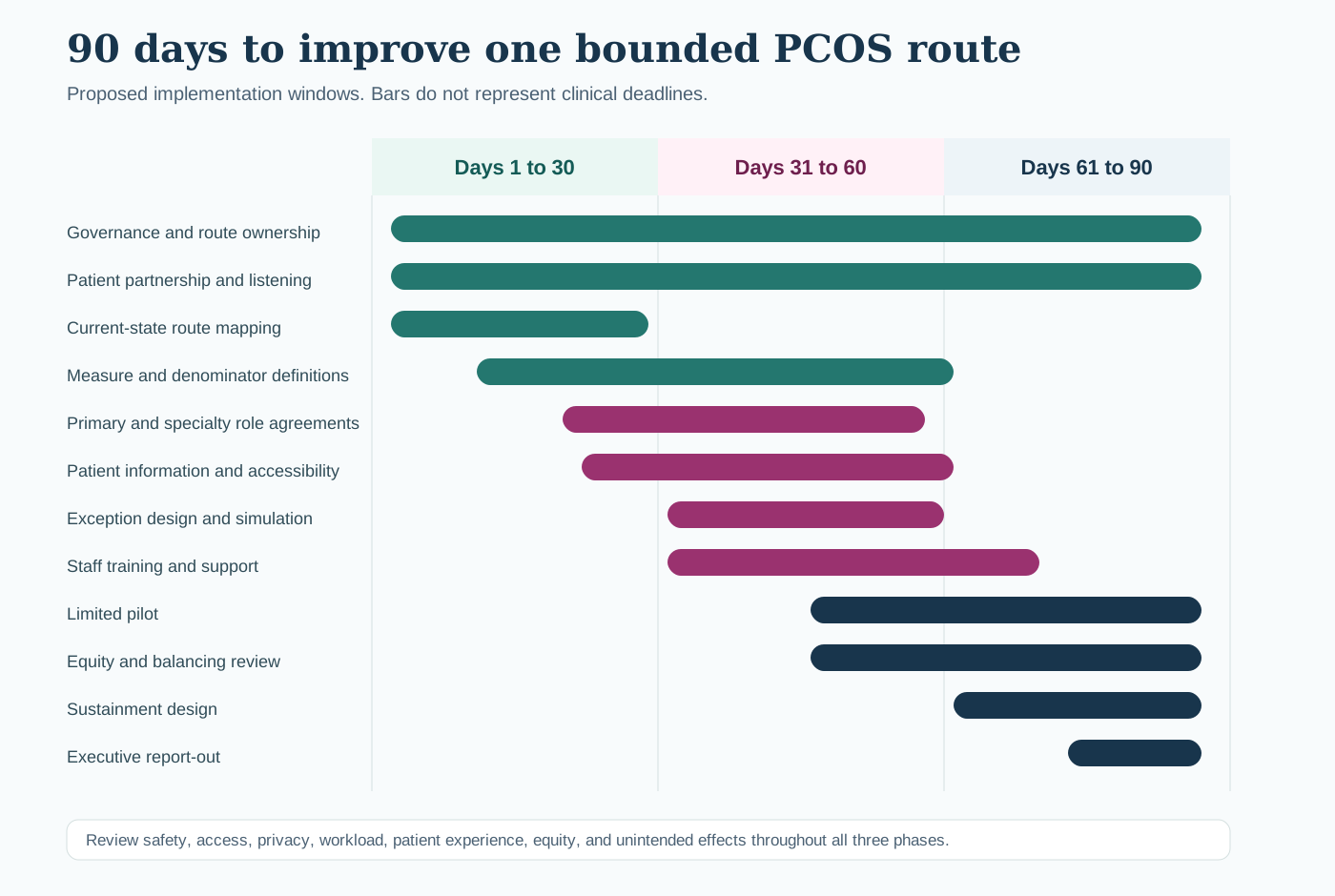
Days 1 to 30
Define and observe
- Name the executive sponsor, clinical governance lead, operational route owner, and patient partner.
- Select one bounded entry, diagnostic, referral, or transition route and define its start and closure states.
- Observe the route across representative settings and review records with appropriate authorization.
- Interview people who completed, remain open, were redirected, or stopped using the route.
- Define the denominator, measures, privacy protections, and one verified barrier to address.
Days 31 to 60
Build and test
- Create the minimum acknowledgment, assessment-state, shared-plan, service-acceptance, result-review, exception, and closure workflow.
- Clarify adult and adolescent processes, primary and specialty roles, and life-stage transitions.
- Prepare plain-language information and test comprehension, accessibility, interpretation, and non-digital options.
- Rehearse incomplete information, unclear criteria, referral rejection, unavailable service, access barrier, and preference change.
- Train and support participating roles, then begin a limited pilot with frequent review.
Days 61 to 90
Learn and decide
- Reconcile acknowledged entries, assessment states, shared plans, service connections, result closure, and aged exceptions.
- Compare data with patient, family, frontline, primary care, specialty, access, behavioral-health, and community accounts.
- Correct verified work-system conditions and retest the specific handoff or exception.
- Report denominator limits, subgroup missingness, capacity, workload, privacy, cost, and unintended effects.
- Decide to adapt, expand, pause, or stop, and assign the next sustainment review.
Figure 6. Proposed 90-day PCOS route-reliability timeline
Questions for the day-90 executive review
- Can the team produce the complete denominator, including people still open, rejected, redirected, deferred, declined, or unreachable?
- Which handoff or exception failed most often, and what verified work-system condition contributed?
- Did people understand the explanation, help set priorities, and know who owned the next step?
- Did adolescents, adults, pregnant people, or people leaving fertility or reproductive care experience different continuity?
- Did any subgroup experience a different acceptance rate, wait, response, exception cause, or coordination burden? How complete are the subgroup data?
- Did the pilot create workload, alert burden, privacy risk, stigma, service bottlenecks, repeated testing, or out-of-pocket burden?
- Which improvement is stable enough to sustain, and who owns the next review?
Leave the organization with a named route owner, a reconciled denominator, an appropriate assessment-state definition, a shared-plan standard, an exception lane, a small scorecard, and one verified reliability improvement that remains after the observance ends.
Closing perspective
Awareness becomes accountable when the person does not have to assemble the care system alone.
PCOS care crosses life stages and organizational boundaries. Leaders cannot remove every uncertainty, and an executive article should not substitute for clinical judgment. Leaders can remove avoidable ambiguity. They can make the route visible, clarify adult and adolescent processes, require acknowledgment, protect interim responsibility, improve information, resource service connections, include psychological health, prepare exception paths, measure access and equity, and learn from people whose route did not close.
The strongest observance message is an operating commitment: when a person enters the selected PCOS route, the organization can show what happened next, who owns the current state, what priority or exception exists, and how the route will move toward an appropriate, patient-centered resolution.
Peer-reviewed evidence portfolio
References
- Teede HJ, Tay CT, Laven J, et al. Recommendations from the 2023 International Evidence-based Guideline for the Assessment and Management of Polycystic Ovary Syndrome. Human Reproduction. 2023;38(9):1655-1679. doi:10.1093/humrep/dead156.
- Zhang B, Lalor J. The experiences of women with polycystic ovary syndrome of the healthcare they receive: a qualitative systematic review. Journal of Advanced Nursing. 2026;82(6):5739-5749.
- McGowan M, Cowan S, Tay CT, et al. Exploring lifestyle management in polycystic ovary syndrome through implementation frameworks. Experimental Physiology. 2026; published online August 14, 2026.
- Douglas CC, Hashmi A, Mclain A, et al. A mixed-method analysis of health literacy and indicators of well-being in women with polycystic ovary syndrome across the lifespan. Therapeutic Advances in Reproductive Health. 2026;20:1-14.
- Arshad A, Armeni E, Broughton S, et al. Polycystic ovary syndrome: pragmatic management across levels of care. Gynecological Endocrinology. 2025;41(1):2574874.
- Peña AS, Witchel SF, Boivin J, et al. International evidence-based recommendations for polycystic ovary syndrome in adolescents. BMC Medicine. 2025;23(1):151.
- Scragg J, Hobson A, Willis L, et al. Effect of weight loss interventions on the symptomatic burden and biomarkers of polycystic ovary syndrome: a systematic review of randomized controlled trials. Annals of Internal Medicine. 2024;177(12):1664-1674.
- Infante-Cano M, García-Muñoz C, Matias-Soto J, et al. The prevalence and risk of anxiety and depression in polycystic ovary syndrome: an overview of systematic reviews with meta-analysis. Archives of Women’s Mental Health. 2025;28(3):475-489.
- Bachmann A, Estermann J, Sourouni M, et al. Obesity and dysglycemia independently predict symptom burden but not satisfaction with care in polycystic ovary syndrome: a cross-sectional study. Archives of Gynecology and Obstetrics. 2025;312(6):2241-2250.
- Bahri Khomami M, Shorakae S, Hashemi S, et al. Systematic review and meta-analysis of pregnancy outcomes in women with polycystic ovary syndrome. Nature Communications. 2024;15(1):5591.
- Bahri Khomami M, Hashemi S, Shorakae S, et al. Systematic review and meta-analysis of birth outcomes in women with polycystic ovary syndrome. Nature Communications. 2024;15(1):5592.
- Vågenes H, Pranić SM. Analysis of the quality, accuracy, and readability of patient information on polycystic ovarian syndrome on the internet available in English: a cross-sectional study. Reproductive Biology and Endocrinology. 2023;21(1):44.
- Chen H, Wang Y, Xu F, et al. Patients’ experiences of telehealth-based nutrition interventions for polycystic ovary syndrome in China: qualitative descriptive study. Journal of Medical Internet Research. 2025;27:e77709.
- Spritzer PM, Salazar Santos GG, Munevar Vega ML, et al. Evaluation of the evidence-based practices for the management of PCOS in the Latin America context: the consensus of the Latin American Association of Gynecological Endocrinology. Gynecological Endocrinology. 2025;41(1):2456578.
- Samlal KC, Sanguinette A, Hypolite A, et al. The psychosocial experiences of women diagnosed with PMOS in Trinidad and Tobago: a qualitative inquiry. Women & Health. 2026;66(3):246-257.
- Hofmann K, Decrinis C, Bitterlich N, et al. Body image and mental health in women with polycystic ovary syndrome: a cross-sectional study. Archives of Gynecology and Obstetrics. 2025;312(1):177-190.
- Li N, Yang R, Zhao Y, et al. Obstructive sleep apnea as a predictive indicator for in vitro fertilization and embryo transfer outcomes in patients with polycystic ovary syndrome: a prospective cohort study. Sleep and Breathing. 2025;29(4):237.
- Liu P, Wang S, Lu Y, et al. Development and temporal validation of a prediction model for live birth in infertile women with polyendocrine metabolic ovarian syndrome: a retrospective cohort study. Frontiers in Reproductive Health. 2026;8:1891181.