
Healthcare Facility Design: Creating Healing Environments through Architecture in 2024

- Posted by Greg Wahlstrom, MBA, HCM
- Posted in Blog
Healthcare Facility Design: Creating Healing Environments through Architecture in 2024
In 2024, the design of healthcare facilities is being reimagined to enhance the healing process by focusing on architectural elements that promote well-being, reduce stress, and improve healthcare outcomes. This approach recognizes the significant impact that physical environments have on patient recovery, staff efficiency, and overall healthcare service quality.
Impact of Thoughtful Design in Healthcare Facilities
Modern healthcare architecture goes beyond aesthetic appeal, integrating functionality with patient-centric elements to foster environments that facilitate healing. These designs consider everything from natural lighting and ventilation to noise reduction and privacy, contributing to better patient experiences and outcomes.
Key Elements of Healing-Focused Design
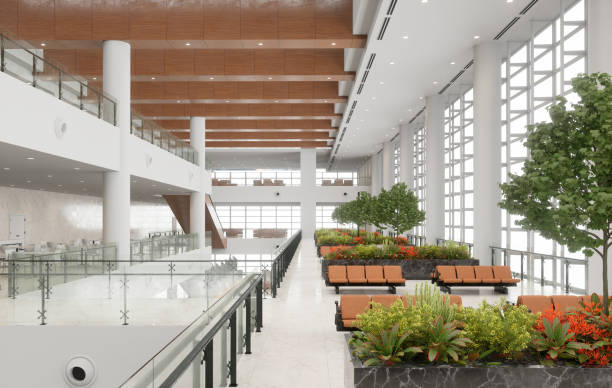
- Natural Light and Views: Incorporating large windows and access to natural views can help reduce patient anxiety and improve mood, which is essential for recovery.
- Noise Control: Designing spaces to minimize noise pollution helps create a restful atmosphere that is conducive to healing.
- Patient Privacy and Comfort: Ensuring sufficient privacy in patient rooms and throughout the facility enhances comfort and dignity during care.
- Accessibility and Wayfinding: Clear signage and barrier-free designs ensure that facilities are easily navigable for all patients, reducing stress and improving accessibility.
Strategies for Implementing Healing-Focused Design
- Engage Stakeholders: Include feedback from patients, families, and healthcare staff in the design process to ensure the environment meets the needs of those who use it most.
- Incorporate Green Spaces: Integrate indoor and outdoor green spaces to promote relaxation and provide areas for contemplation and family gatherings.
- Focus on Sustainability: Use sustainable materials and energy-efficient designs to reduce environmental impact and promote health not only inside but also outside the healthcare facilities.
Challenges in Healthcare Facility Design
- Balancing Cost and Design: High-quality materials and advanced design features can increase the cost, requiring budget management and careful planning.
- Adherence to Regulations: Healthcare facilities must meet rigorous health and safety standards, which can limit design choices.
- Adapting to Future Needs: Facilities must be designed flexibly to accommodate evolving medical technologies and healthcare practices without frequent renovations.
Conclusion
In 2024, the thoughtful design of healthcare facilities is acknowledged as a key component of effective healthcare delivery. By creating spaces that actively contribute to healing, healthcare organizations can enhance patient satisfaction and outcomes, while also providing a supportive work environment for staff.
Call to Action
Healthcare leaders should prioritize innovative architectural designs that facilitate healing and well-being. By investing in environments that promote health and comfort, healthcare facilities can become sanctuaries of care and recovery, setting new standards in patient-centered healthcare delivery.


